Florida homes present a captivating blend of diverse architectural styles, economic vitality, and unique lifestyle opportunities. This exploration delves into the rich tapestry of residential properties across the Sunshine State, offering insights for both prospective buyers and seasoned residents. From the sun-drenched coasts to the vibrant inland communities, understanding the nuances of Florida real estate is key to making informed decisions.
We will navigate through the distinct architectural influences that define Florida’s housing landscape, examining how climate and culture have shaped these iconic designs. Furthermore, we’ll uncover the economic drivers that fuel the state’s dynamic real estate market, including the impact of tourism and migration. Legal frameworks, insurance considerations, and environmental factors crucial for homeowners will also be thoroughly addressed, providing a holistic view of what it means to own a piece of Florida.
The diverse architectural styles that grace the Florida landscape present a captivating visual narrative of its history and cultural influences.

Florida’s residential architecture is a vibrant tapestry woven from centuries of cultural exchange and adaptation to its unique environment. From the sun-drenched coasts to the lush interiors, the state’s homes tell a story of exploration, settlement, and innovation. These diverse styles are not merely aesthetic choices; they are functional responses to climate, materials availability, and the aspirations of their inhabitants, creating a visual language that is distinctly Floridian.The prevalence and evolution of these architectural expressions are intrinsically linked to Florida’s climate.
Do not overlook the opportunity to discover more about the subject of houses for sale in florida.
The intense sun, high humidity, and frequent rainfall have necessitated designs that prioritize shade, ventilation, and durability. Features like wide eaves, covered porches, courtyards, and the use of materials that can withstand moisture and heat are common threads that bind these disparate styles together, ensuring both aesthetic appeal and practical livability.
Manifestations of Architectural Styles in Florida Residences
Florida’s architectural landscape is a rich mosaic, showcasing distinct styles that reflect its historical periods and cultural influences. These styles are not confined to isolated pockets but often blend and adapt, creating a unique Floridian interpretation.Spanish Colonial architecture, a direct legacy of Florida’s early European settlers, is characterized by its robust and functional design. Homes in this style typically feature thick, stucco-covered walls, often whitewashed, to reflect the intense sun and provide thermal mass.
Low-pitched tile roofs, usually made of clay, are a hallmark, offering protection from the elements. Arches are a prominent feature, seen in doorways, windows, and arcades, lending a sense of grandeur and historical continuity. Small, deep-set windows are common, designed to minimize direct sunlight and heat gain. Courtyards, often enclosed by the house itself or surrounding walls, provide shaded, private outdoor living spaces that are essential for coping with the subtropical climate.
This style is most evident in older cities with Spanish heritage, such as St. Augustine, where its influence is palpable in historic structures and newer constructions seeking to honor the past.Art Deco, a style that surged in popularity during the 1920s and 1930s, brings a sense of glamour and modernity to Florida’s coastal communities, particularly Miami Beach. Its defining characteristics include geometric shapes, stylized ornamentation, and a streamlined aesthetic.
Homes often feature smooth stucco exteriors, flat or low-pitched roofs, and decorative motifs like chevrons, sunbursts, and zigzags. Strong vertical lines are often emphasized, contrasted with horizontal banding. Color palettes tend towards pastels and vibrant hues, reflecting the sunny disposition of the region. Features like decorative glass blocks, curved balconies, and metal railings add to the distinctive flair. The climate’s influence is seen in the emphasis on open spaces and the use of materials that can withstand salt air and humidity.Mediterranean Revival, another style deeply rooted in Florida’s history and climate, draws inspiration from the architecture of Spain, Italy, and North Africa.
This style is characterized by its warm, earthy color palettes, typically featuring terracotta, ochre, and cream. Red tile roofs are a signature element, providing both aesthetic beauty and practical shade. Stucco exteriors are common, often adorned with decorative details like wrought iron balconies, arched windows and doorways, and ornamental plasterwork. Red clay roof tiles are crucial for deflecting heat and channeling rainwater.
Features like large, open courtyards, often with fountains, and loggias offer shaded retreats. This style is prevalent throughout Florida, particularly in areas like Coral Gables, which was meticulously planned with this aesthetic in mind, and in many coastal communities where it complements the tropical setting.Modernist architecture, emerging in the mid-20th century, emphasizes clean lines, simplicity, and functionality, often incorporating innovative materials and techniques.
In Florida, Modernism is frequently adapted to harness natural light and ventilation. Homes often feature large expanses of glass, flat or low-sloping roofs, and an open floor plan. The use of concrete, steel, and glass is common, reflecting a departure from traditional materials. Generous overhangs and strategically placed windows maximize natural light while minimizing direct solar heat gain. The integration of indoor and outdoor living spaces is a key principle, with patios, lanais, and courtyards blurring the lines between the two.
This style is found across Florida, with notable examples in areas that experienced post-war development and a desire for contemporary living, often embracing the lush tropical landscaping as an integral part of the design.
Climate Considerations in Florida’s Residential Architecture
Florida’s tropical and subtropical climate has profoundly shaped the evolution and prevalence of its residential architectural styles, prioritizing comfort, durability, and energy efficiency. The intense sun, high humidity, and frequent rainfall have necessitated specific design strategies that are evident across various architectural expressions.Wide eaves and deep overhangs are a common feature across many Floridian homes, including Spanish Colonial and Mediterranean Revival styles.
These elements are crucial for providing shade to windows and walls, significantly reducing heat gain during the hottest parts of the day. They also offer protection from rain, keeping walls drier and reducing the risk of moisture damage.Ventilation is another critical consideration. Many traditional styles incorporate features that promote natural airflow. For instance, the use of jalousie windows, common in mid-century Modernist and some Art Deco homes, allows for ventilation even during light rain.
Strategically placed operable windows and doors, along with open floor plans and courtyards, facilitate cross-ventilation, helping to dissipate heat and humidity.Materials play a vital role in adapting to the climate. Stucco, a common exterior finish in Spanish Colonial and Mediterranean Revival homes, is excellent at reflecting solar radiation and providing thermal mass, helping to keep interiors cooler. Clay roof tiles, characteristic of Mediterranean styles, are effective at insulating against heat and are durable in the humid environment.
In contrast, Modernist homes might utilize concrete, which offers good thermal mass, and large expanses of glass, which are often treated with coatings to reduce UV penetration and heat gain.The prevalence of covered outdoor living spaces, such as porches, verandas, and lanais, is a direct response to the desire to enjoy the outdoors without being overwhelmed by the heat and sun.
These spaces serve as transitional zones between the interior and exterior, extending the usable living area of the home and providing shaded areas for relaxation and entertainment.
Comparative Analysis of Aesthetic Appeal and Functional Benefits
When considering the purchase of a Florida home, understanding the aesthetic appeal and functional benefits of its architectural style is paramount, as these elements directly impact livability and long-term value.Spanish Colonial homes offer a timeless aesthetic characterized by their rustic charm and historical significance. The thick walls and tile roofs provide excellent insulation, contributing to cooler interior temperatures and reduced energy costs, a significant functional benefit in Florida’s heat.
The enclosed courtyards offer private, shaded outdoor retreats, ideal for enjoying the climate. However, the smaller windows can sometimes limit natural light, and the overall design might feel more enclosed than contemporary preferences.Art Deco homes present a bold and stylish aesthetic, exuding a sense of glamour and individuality. Their vibrant color palettes and unique decorative elements make them stand out.
Functionally, the emphasis on open spaces and the use of materials that can withstand coastal conditions are advantageous. However, some Art Deco homes might require more maintenance due to decorative elements and potentially less efficient insulation compared to more modern designs, leading to higher cooling costs if not adequately updated.Mediterranean Revival homes boast a romantic and elegant aesthetic, evoking a sense of old-world charm.
The use of natural materials like tile and stucco contributes to a comfortable interior climate and good thermal performance. The prevalence of courtyards and loggias provides ample shaded outdoor living space. This style is generally well-suited to the Florida climate, offering a good balance of beauty and functionality. However, the intricate details can sometimes lead to higher maintenance needs.Modernist homes offer a sleek, contemporary aesthetic with a strong emphasis on clean lines and open spaces.
Functionally, they excel in maximizing natural light and airflow, often incorporating energy-efficient features. The integration of indoor and outdoor living is a significant benefit for those who enjoy the Florida lifestyle. However, the reliance on large glass expanses can sometimes lead to heat gain if not properly engineered with advanced glazing technologies, and the minimalist aesthetic might not appeal to everyone.
Regional Concentrations of Architectural Styles
Florida’s diverse geography and history have led to distinct regional concentrations of architectural styles, each telling a story of its local development and influences.St. Augustine, as the oldest continuously inhabited European-established settlement in the United States, is the epicenter of Spanish Colonial architecture. While many original structures have been altered or replaced, the influence is undeniable in the city’s layout and in newer constructions that intentionally echo its historical architectural language.
You’ll find thick stucco walls, red tile roofs, and arched doorways prevalent throughout its historic districts.Miami Beach is world-renowned for its extensive collection of Art Deco architecture, particularly in the South Beach neighborhood. This area boasts the largest concentration of Art Deco buildings in the world, showcasing the style’s playful geometry, pastel colors, and iconic ornamentation. The city’s development boom in the 1930s and 1940s led to the widespread adoption of this fashionable style.Coral Gables, a meticulously planned city in South Florida, is a prime example of Mediterranean Revival architecture.
The city’s founder, George E. Merrick, envisioned a city inspired by Mediterranean villas, and this vision is evident in the hundreds of homes, public buildings, and the iconic Biltmore Hotel, all featuring red tile roofs, stucco facades, and arched entrances.Modernist architecture can be found throughout Florida, often reflecting periods of significant growth and development. Areas that experienced substantial post-war building booms, such as parts of Orlando, Tampa, and many suburban communities across the state, feature a range of Mid-Century Modern and contemporary interpretations.
These homes often showcase the integration of indoor and outdoor living, capitalizing on Florida’s climate.
Understanding the unique economic forces that drive the Florida real estate market offers crucial insights for prospective homeowners and investors alike.: Florida Homes

The economic landscape of Florida is a dynamic interplay of unique factors that significantly shape its real estate market. For anyone considering purchasing property or investing in the Sunshine State, grasping these economic drivers is paramount to making informed decisions and maximizing potential returns. These forces, ranging from robust tourism to a consistent influx of retirees, create a distinct demand and pricing structure that sets Florida apart from many other real estate markets.The interplay of these economic elements creates a vibrant and often fast-paced housing market.
Understanding how tourism, retirement, and seasonal shifts influence demand, alongside state-specific policies, is key to navigating this environment. Furthermore, recognizing regional economic disparities and anticipating emerging trends will provide a solid foundation for evaluating the long-term viability of any property investment.
Impact of Tourism, Retirement Migration, and Seasonal Population Shifts on Demand and Pricing
Florida’s economy is heavily influenced by its status as a premier tourist destination and a favored locale for retirement. These factors create consistent and often substantial demand for housing, impacting both rental markets and property sales. The influx of millions of tourists annually fuels a robust short-term rental market, particularly in coastal and theme park-adjacent areas. This demand directly influences the pricing of properties suitable for vacation rentals, often driving up purchase prices and rental rates in these desirable locations.The consistent migration of retirees to Florida is another powerful economic engine for its real estate sector.
Retirees often seek warmer climates, a lower cost of living compared to some northern states, and access to recreational activities. This demographic shift translates into sustained demand for single-family homes, condominiums, and active adult communities. The steady stream of new residents seeking permanent homes provides a stable base for the housing market, influencing long-term appreciation potential.Seasonal population shifts, often referred to as the “snowbird” phenomenon, further accentuate demand.
During the cooler months, a significant population of individuals from northern states and Canada descends upon Florida, occupying second homes, rental properties, and extended-stay accommodations. This temporary surge in population increases demand for housing services, from property management to utilities, and can temporarily inflate rental prices and the demand for properties that can be leased on a seasonal basis. This cyclical demand can lead to price fluctuations throughout the year, with peak seasons often seeing higher prices and increased competition.
Role of State-Specific Economic Policies and Incentives in Attracting New Residents and Businesses
Florida’s economic policies and incentives play a pivotal role in shaping its housing market dynamics by actively attracting new residents and businesses. The state has long prioritized a business-friendly environment, characterized by a lack of state income tax, which is a significant draw for both individuals and corporations relocating from states with higher tax burdens. This absence of personal income tax makes Florida an attractive destination for retirees and remote workers alike, directly boosting housing demand.Furthermore, Florida actively pursues economic development through targeted incentives aimed at attracting specific industries.
For instance, the state offers tax credits, grants, and workforce training programs to companies in sectors such as aerospace, cybersecurity, life sciences, and financial services. The successful attraction of these businesses leads to job creation, which in turn drives demand for housing as new employees and their families relocate to the area. This localized economic growth can create significant appreciation potential in the housing markets of the affected regions.Infrastructure development projects, often supported by state funding and strategic planning, also contribute to the attractiveness of Florida as a place to live and work.
Investments in transportation networks, ports, and broadband expansion make communities more accessible and desirable, further stimulating real estate development and demand. These policies create a virtuous cycle where economic growth fuels population growth, which in turn supports a robust and expanding real estate market.
Economic Advantages of Owning Property in Different Florida Regions
Owning property in Florida offers distinct economic advantages that vary significantly depending on the region. These differences are largely influenced by factors such as property taxes, insurance costs, and the potential for appreciation, all of which are shaped by local economic conditions and environmental considerations.Property taxes in Florida are generally considered moderate compared to some other states, but they do vary by county and municipality.
For example, counties with a higher demand for services or a larger tax base may have slightly higher millage rates. However, Florida offers homestead exemptions, which can significantly reduce the taxable value of a primary residence, making it more affordable for homeowners.Insurance costs, particularly homeowner’s insurance, represent a substantial economic consideration in Florida. Coastal regions and areas prone to hurricanes often face higher premiums due to increased risk.
However, inland areas or regions less susceptible to severe weather events may offer more competitive insurance rates. The cost of flood insurance is also a critical factor, especially for properties located in flood-prone zones, and can add considerably to the overall cost of ownership.The potential for appreciation also differs across Florida. Major metropolitan areas like Miami-Dade, Broward, and Palm Beach counties, driven by international investment, a strong job market, and high demand, have historically seen robust property value appreciation.
Similarly, popular retirement destinations and tourist hubs such as Orlando, Tampa, and Naples also tend to exhibit strong appreciation trends. Emerging markets in less developed parts of the state may offer lower entry points but potentially higher growth if economic development or infrastructure projects materialize.Here’s a comparative overview of economic advantages in different regions:
- South Florida (Miami-Dade, Broward, Palm Beach): High demand driven by international investment, strong job growth, and tourism. Higher property values and appreciation potential, but also higher insurance costs and property taxes.
- Central Florida (Orlando, Tampa): Booming economies fueled by tourism, technology, and a growing population. Strong appreciation potential, moderate property taxes, and varying insurance costs depending on proximity to coast.
- Southwest Florida (Naples, Fort Myers): Popular retirement and vacation destination with a focus on lifestyle. Steady appreciation, generally lower property taxes than South Florida, but insurance costs can be significant.
- Northeast Florida (Jacksonville): Growing economic hub with diverse industries. More affordable entry points compared to South Florida, with steady appreciation potential and generally reasonable property taxes and insurance.
Emerging Economic Trends Shaping the Future of the Florida Housing Market, Florida homes
Several emerging economic trends are poised to significantly shape the future of the Florida housing market, influencing demand, pricing, and development patterns. One of the most impactful trends is the continued growth of technology and innovation sectors. Cities like Orlando, Tampa, and Miami are actively cultivating tech hubs, attracting skilled professionals and venture capital. This influx of higher-paying jobs will likely sustain demand for housing, particularly in desirable urban and suburban areas, and could drive further appreciation in property values.Infrastructure development projects are also a key driver.
The state is investing heavily in transportation, including expanding highways, improving public transit, and developing high-speed rail initiatives. Projects like the Brightline passenger rail service connecting major Florida cities are making more distant areas more accessible, potentially opening up new housing markets and influencing where people choose to live and work. This connectivity can lead to increased demand and property value appreciation in previously less accessible locations.Another significant trend is the increasing focus on sustainability and climate resilience.
As concerns about climate change grow, there is a rising demand for energy-efficient homes and properties located in areas less vulnerable to rising sea levels and extreme weather events. Developers are increasingly incorporating sustainable building practices, and buyers are factoring in climate risk when making purchasing decisions. This could lead to a premium for resilient properties and influence the desirability and pricing of homes in certain coastal or low-lying areas.The ongoing expansion of healthcare and life sciences industries across the state also contributes to economic stability and job growth, creating consistent demand for housing in areas where these sectors are concentrated.
Furthermore, the continued influx of remote workers, attracted by Florida’s lifestyle and tax advantages, will likely sustain demand for diverse housing options, from single-family homes to urban condominiums.
Obtain direct knowledge about the efficiency of Home Bar Wall Decor Ideas through case studies.
Framework for Evaluating the Economic Viability of Purchasing a Home in Florida
Evaluating the economic viability of purchasing a home in Florida requires a comprehensive assessment of key financial indicators and a clear understanding of personal financial goals. A structured approach ensures that prospective buyers make an informed decision that aligns with their long-term financial well-being.The initial step involves a thorough analysis of personal finances. This includes assessing one’s current income, savings, debts, and creditworthiness to determine an affordable price range and secure pre-approval for a mortgage.
Understanding the total cost of homeownership beyond the mortgage payment is crucial.A critical component of the evaluation is the consideration of ongoing expenses. These include:
- Property Taxes: Research the millage rates in the specific county and municipality. Factor in potential increases over time and understand homestead exemption benefits if applicable.
- Homeowner’s Insurance: Obtain quotes from multiple insurers, considering coverage levels, deductibles, and potential increases due to weather-related risks. This is a significant recurring expense in Florida.
- Flood Insurance: Determine if the property is in a flood zone and factor in the cost of flood insurance, which is often separate from homeowner’s insurance.
- HOA Fees/Condo Fees: If purchasing in a community with a homeowners’ association or condominium association, understand the monthly or annual fees and what services they cover.
- Maintenance and Repairs: Budget for regular maintenance and potential unexpected repairs, especially for older properties.
Potential for appreciation is another vital factor. Research historical property value trends in the target area, considering factors like job growth, population trends, and local economic development. While past performance is not indicative of future results, it provides valuable context.For investors, evaluating rental income potential is paramount. This involves researching comparable rental rates in the area, understanding vacancy rates, and estimating net operating income after all expenses.A crucial financial indicator to consider is the debt-to-income ratio (DTI).
Lenders typically look for a DTI below 43% for mortgage qualification. A lower DTI indicates a stronger financial position and potentially better loan terms.
The total cost of homeownership extends far beyond the mortgage principal and interest. A thorough budgeting process that accounts for property taxes, insurance, maintenance, and potential appreciation is essential for economic viability.
When assessing the economic viability, consider the following key financial indicators:
- Affordability Index: This compares the median home price to the median household income, indicating how affordable housing is in a particular area.
- Price-to-Rent Ratio: For investors, this ratio helps determine whether buying or renting is more financially advantageous in a specific market. A lower ratio generally favors buying.
- Capitalization Rate (Cap Rate): For investment properties, the cap rate (Net Operating Income / Property Value) is a key metric for evaluating potential return on investment.
- Loan-to-Value Ratio (LTV): This ratio compares the loan amount to the property’s value, influencing mortgage interest rates and the need for private mortgage insurance (PMI).
- Cash Flow Analysis: For rental properties, projecting consistent positive cash flow after all expenses is a primary indicator of economic viability.
The array of lifestyle opportunities afforded by a Florida home extends far beyond mere shelter, encompassing vibrant communities and abundant recreational pursuits.
Owning a home in Florida unlocks a lifestyle rich with diverse experiences, far exceeding the basic need for shelter. The Sunshine State is renowned for its dynamic communities, each offering a unique atmosphere, and an unparalleled range of recreational activities that cater to every interest and energy level. This combination creates a living environment that is both stimulating and deeply satisfying for its residents.The allure of Florida living is intrinsically linked to its distinct community vibes and the sheer volume of leisure options available.
From the pulse of its urban hubs to the serene shores of its coastal villages, and the carefully curated environments of its retirement enclaves, Florida presents a spectrum of living situations. This diversity ensures that individuals and families can find a place that perfectly matches their aspirations for daily life, leisure, and social engagement.
Distinct Community Atmospheres in Florida
Florida’s communities are as varied as its geography, offering a tapestry of living experiences that cater to a wide range of preferences. The state boasts bustling urban centers that hum with activity, providing access to world-class dining, entertainment, and cultural institutions. These metropolises often feature distinct neighborhoods, each with its own character, from trendy arts districts to historic residential areas.In contrast, the tranquil coastal towns exude a laid-back charm, where the rhythm of life is dictated by the tides and the sun.
These communities are often characterized by their picturesque waterfront views, boutique shops, and a strong sense of local camaraderie. They offer a peaceful retreat for those seeking a slower pace and a deep connection with the natural beauty of the coastline.Planned retirement communities, a significant segment of Florida’s residential landscape, are designed with the specific needs and desires of active seniors in mind.
These communities often provide a wealth of amenities, including social clubs, fitness centers, golf courses, and organized activities, fostering a vibrant and engaging environment for residents. They prioritize convenience, safety, and opportunities for social connection, making them highly sought after.
Recreational Activities for Florida Homeowners
The recreational opportunities available to Florida homeowners are extensive and cater to virtually every outdoor enthusiast. The state’s extensive coastline provides immediate access to its famed beaches, offering endless possibilities for relaxation, sunbathing, and beachcombing. Beyond lounging, these coastal areas are hubs for a wide array of water sports.Residents can easily engage in activities such as swimming, surfing, paddleboarding, kayaking, and jet skiing.
The abundant waterways, including the Intracoastal Waterway and numerous lakes and rivers, also make boating and fishing popular pastimes. Many communities are situated near world-class golf courses, offering meticulously maintained greens for players of all skill levels, from casual enthusiasts to seasoned golfers.Furthermore, Florida is dotted with an impressive network of nature preserves, state parks, and national parks. These protected areas provide sanctuary for diverse wildlife and offer unparalleled opportunities for hiking, birdwatching, cycling, and exploring Florida’s unique ecosystems, such as the Everglades.
The combination of aquatic adventures and terrestrial exploration ensures that boredom is rarely an option for those living in Florida.
Lifestyle Benefits of Different Florida Community Types
The choice of community type significantly shapes the lifestyle benefits experienced by Florida residents. Gated communities often provide an enhanced sense of security and exclusivity, with amenities like private clubhouses, swimming pools, and fitness centers. These communities are attractive to those seeking a controlled environment with built-in recreational and social opportunities.Waterfront properties, whether on the ocean, a bay, or a lake, offer unparalleled access to aquatic activities and breathtaking views.
The lifestyle here is often characterized by a deep appreciation for the water, with many homes featuring private docks, boat lifts, and direct access for swimming or kayaking. This offers a constant connection to the natural beauty and recreational potential of Florida’s abundant water resources.Inland suburban neighborhoods, while perhaps lacking direct waterfront access, often provide a more traditional family-friendly atmosphere.
They typically offer larger lots, proximity to good schools, and a strong sense of community with local parks and community events. These areas balance convenience with a comfortable living environment, often being more affordable than prime coastal locations.
Factors Contributing to a High Quality of Life in Florida
Several key factors contribute to the high quality of life enjoyed by residents of Florida homes. The state’s consistently warm climate is a primary draw, allowing for year-round outdoor activities and a generally pleasant living environment. This climate fosters a lifestyle that is less constrained by seasonal weather changes compared to many other parts of the country.Florida also boasts a rich tapestry of cultural attractions, including world-class museums, performing arts centers, vibrant music scenes, and a diverse culinary landscape.
These offerings provide ample opportunities for enrichment and entertainment. Furthermore, the accessibility of essential amenities, from excellent healthcare facilities to a wide range of shopping and dining options, ensures convenience and comfort for residents. The state’s commitment to developing and maintaining its infrastructure also plays a crucial role in facilitating a high quality of life.
Guide to Researching and Selecting a Florida Community
Choosing the right Florida community involves a systematic approach tailored to individual preferences and desired living experiences. The initial step is to clearly define personal priorities. This includes considering factors such as desired climate, proximity to family, preferred recreational activities, budget, and the importance of specific amenities.Next, conduct thorough research into different regions and towns that align with these priorities.
Online resources, real estate websites, and community forums can provide valuable insights into local demographics, cost of living, and available housing options. Visiting potential communities is an essential part of the process. Spending time in different neighborhoods, exploring local amenities, and speaking with residents can offer a firsthand understanding of the community’s atmosphere and lifestyle.Consider the types of communities that best fit your needs.
For instance, active adults might focus on age-restricted communities, while families may prioritize suburban neighborhoods with good schools. Waterfront enthusiasts will naturally gravitate towards coastal or lakefront areas. It is also beneficial to research the local job market if employment is a factor, and to understand the tax structure and insurance costs specific to different areas of Florida.
“The ideal Florida community is not a one-size-fits-all concept; it is a deeply personal reflection of one’s lifestyle aspirations and practical needs.”
Finally, engage with local real estate professionals who specialize in the areas of interest. Their expertise can provide invaluable guidance on market trends, property values, and neighborhood specifics, helping to ensure a well-informed decision that leads to a fulfilling Florida living experience.
Addressing the multifaceted considerations of Florida home insurance is paramount for safeguarding your investment against the state’s unique environmental challenges.
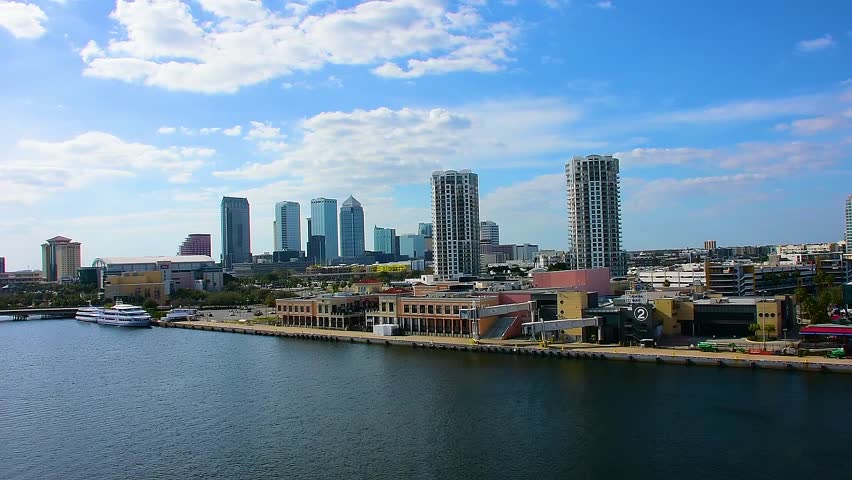
Owning a home in Florida offers a desirable lifestyle, but it also comes with the responsibility of securing adequate insurance coverage. The Sunshine State’s susceptibility to hurricanes, tropical storms, and coastal erosion necessitates a robust approach to home insurance. Understanding the various policy types, regional cost variations, and proactive mitigation strategies is crucial for protecting your property and financial well-being.
This comprehensive overview will guide you through the essential aspects of Florida home insurance, ensuring you are well-prepared to navigate its complexities.Florida’s unique climate and geographical position present specific insurance needs beyond standard homeowner’s policies. While a typical HO-3 policy covers perils like fire, theft, and vandalism, it often excludes or has limitations for events common in Florida. Therefore, specialized coverages are essential to bridge these gaps and provide comprehensive protection against the elements.
Types of Insurance Coverage for Florida Homes
Florida homeowners typically require or are strongly recommended to secure several types of insurance coverage to ensure their properties are adequately protected. Standard homeowner’s insurance, often referred to as an HO-3 policy, provides broad coverage for the dwelling, other structures, personal property, loss of use, and liability. However, due to Florida’s vulnerability to specific weather events, additional policies are vital.Flood insurance is a critical component of protection for many Florida homes, especially those in coastal or low-lying areas.
Standard homeowner’s policies explicitly exclude flood damage. Flood insurance can be purchased through the National Flood Insurance Program (NFIP) or from private insurers. NFIP policies offer coverage up to $250,000 for the structure and $100,000 for personal belongings. Private flood insurance may offer higher coverage limits and potentially more flexible policy terms.Windstorm insurance is another essential consideration. While some homeowner’s policies may include limited wind coverage, policies in high-risk coastal areas, or those with deductibles, often require a separate windstorm policy.
In Florida, windstorm coverage is frequently provided by Citizens Property Insurance Corporation, the state’s insurer of last resort, or by private insurers. This coverage is specifically designed to protect against damage caused by wind, including hurricanes. It’s important to understand the windstorm deductible, which is often a percentage of the home’s insured value (e.g., 2%, 5%, or 10%) rather than a fixed dollar amount.Other important coverages to consider include:
- Sinkhole Coverage: While not as universally required as flood or windstorm, sinkhole activity is a concern in certain parts of Florida. Standard policies may offer limited coverage, but a separate sinkhole endorsement or policy provides more robust protection for damage caused by sudden, ground-level sinkholes.
- Personal Property Coverage: This covers your belongings within the home. Ensure the coverage limit is sufficient to replace all your possessions.
- Loss of Use Coverage: If your home becomes uninhabitable due to a covered peril, this coverage helps pay for temporary living expenses, such as hotel stays and meals.
- Liability Coverage: This protects you financially if someone is injured on your property and sues you.
Comparison of Insurance Premiums Across Florida Regions
Insurance premiums in Florida can vary significantly from one region to another, largely due to differing levels of risk associated with natural disasters. Coastal areas, particularly those along the Atlantic and Gulf coasts, generally experience higher premiums due to their increased exposure to hurricanes and storm surges. Inland areas, while still susceptible to wind and rain, may have lower rates.Several factors contribute to these cost variations:
- Proximity to the Coast: Homes located closer to the coastline face a higher risk of wind damage and storm surge, leading to elevated premiums.
- Flood Zone Designation: Properties situated in designated flood zones, especially Special Flood Hazard Areas (SFHAs), will have higher flood insurance costs. The Federal Emergency Management Agency (FEMA) maps these zones.
- Elevation: Homes at higher elevations within flood zones may qualify for lower flood insurance rates compared to those at lower elevations.
- Building Codes and Construction Type: Homes built to current, stricter building codes, especially those designed to withstand high winds (e.g., impact-resistant windows, reinforced roofs), often benefit from lower premiums. Older homes with less resilient construction will typically pay more.
- Insurance Company’s Risk Assessment: Each insurer has its own actuarial models and risk tolerance, leading to different pricing even for similar properties.
- Deductibles: Higher deductibles for windstorm and hurricane coverage generally result in lower annual premiums.
For instance, a home in Miami-Dade County, a high-risk coastal area, will likely have significantly higher insurance premiums, particularly for windstorm coverage, compared to a similar home in a more inland county like Marion County. The deductible structure also plays a substantial role. A 5% windstorm deductible on a $500,000 home means a potential out-of-pocket expense of $25,000 in the event of a hurricane claim, which influences the overall premium calculation.
Mitigating Insurance Costs Through Property Modifications and Diligent Maintenance
Homeowners can take proactive steps to reduce their insurance premiums and ensure they are not overpaying for coverage. Investing in property modifications that enhance resilience against natural disasters can lead to significant savings.Practical advice for mitigating insurance costs includes:
- Roof Upgrades: A well-maintained, newer roof, especially one with hurricane clips or straps and impact-resistant shingles, can lower windstorm premiums. Regularly inspecting and repairing the roof is crucial.
- Window and Door Protection: Installing impact-resistant windows and doors or storm shutters can drastically reduce windstorm insurance costs. These features prevent wind and debris from entering the home, minimizing structural damage.
- Fortifying the Structure: Upgrading garage doors to wind-rated models and ensuring the roof is properly attached to the walls are essential for structural integrity during high winds.
- Maintaining Trees and Landscaping: Regularly trimming trees and removing dead branches reduces the risk of falling debris damaging the home during a storm.
- Flood Mitigation: Elevating the home, installing flood vents, and ensuring HVAC systems and electrical panels are located above potential flood levels can reduce flood insurance premiums.
- Regular Maintenance: Consistent maintenance of the property, including plumbing, electrical systems, and drainage, can prevent smaller issues from escalating into larger, more costly claims that could impact future premiums.
“Proactive property improvements not only safeguard your home from severe weather but also serve as a tangible investment in reducing long-term insurance expenses.”
Filing an Insurance Claim in Florida Following a Natural Disaster
The process of filing an insurance claim in Florida after a natural disaster can be stressful, but understanding the steps involved can streamline the remediation and recovery phases. Prompt action is key to a successful claim.The typical process includes:
- Immediate Safety and Damage Assessment: Your first priority is the safety of your household. Once it’s safe, document the damage thoroughly with photos and videos before making any temporary repairs.
- Contact Your Insurance Company: Notify your insurer as soon as possible after the event. Most policies require prompt reporting of claims. You will be assigned an adjuster who will assess the damage.
- Review Your Policy: Familiarize yourself with your policy’s coverage, deductibles, and any specific requirements for filing a claim.
- The Adjuster’s Inspection: The insurance adjuster will visit your property to assess the extent of the damage and estimate repair costs.
- Receiving the Settlement Offer: Based on the adjuster’s report, the insurance company will present a settlement offer. Review this offer carefully. If you disagree with the assessment, you have the right to negotiate or seek an independent appraisal.
- Remediation and Repairs: Once an agreement is reached, you can begin the process of repairing your home. It’s advisable to use reputable contractors and obtain multiple bids.
- Receiving Payment: Payments may be issued in stages, with an initial payment for immediate needs and subsequent payments as repairs progress.
During the remediation and recovery phases, expect potential delays due to the high volume of claims following a major event. Patience and persistent communication with your insurer and contractors are essential. Be wary of unsolicited offers of assistance from unfamiliar individuals or companies, as they may be scams.
Checklist of Essential Documents and Information for Florida Home Insurance Quotes
To ensure you receive accurate and comprehensive quotes when shopping for Florida home insurance, it’s crucial to have certain documents and information readily available. This preparation will save you time and help you make informed decisions.Before you begin gathering quotes, ensure you have the following:
- Property Address: The full mailing address of the property.
- Year Built: The original construction year of the home.
- Square Footage: The total heated and cooled square footage of the home.
- Construction Type: Details about the home’s construction materials (e.g., frame, masonry, concrete block).
- Roof Type and Age: Information on the roofing material (e.g., shingles, metal, tile) and the year it was last replaced.
- Foundation Type: The type of foundation the home is built on (e.g., slab, crawl space, pier and beam).
- Number of Stories: The number of floors in the home.
- Number of Bathrooms and Bedrooms: Basic property details.
- Existing Insurance Policy Information: If you currently have homeowner’s insurance, have your current policy declarations page handy. This includes coverage limits, deductibles, and insurer details.
- Mortgage Information: If you have a mortgage, your lender’s name and contact information will be required, as they have a vested interest in the property’s insurance.
- Property History: Any significant past claims or renovations.
- Flood Zone Designation: If you know your property’s flood zone classification, have this information ready.
- Wind Mitigation Report: If available, a wind mitigation inspection report can significantly impact your premium by verifying features that reduce wind damage risk.
- Recent Photos of the Property: While not always required for initial quotes, having recent photos can be helpful for a more accurate assessment.
Gathering this information beforehand allows insurance agents to provide more precise quotes, avoiding the need for back-and-forth communication and ensuring you are comparing apples to apples when evaluating different policies.
The environmental factors influencing the desirability and long-term value of Florida homes necessitate a thorough understanding of regional nuances.
Florida’s unique geography and climate present a distinct set of environmental considerations that profoundly impact home desirability and long-term value. Prospective homeowners and investors must navigate these factors with diligence to make informed decisions and safeguard their investments. Understanding the interplay of natural forces, from the powerful allure of its coastlines to the subtle shifts in its geological makeup, is paramount for appreciating the full spectrum of owning property in the Sunshine State.The Sunshine State’s allure is undeniable, but its environmental characteristics are equally significant in shaping the real estate landscape.
These elements are not mere footnotes but fundamental drivers of property value, insurance costs, and lifestyle choices. A comprehensive awareness of these environmental influences allows for a more strategic approach to homeownership, ensuring that the dream of a Florida lifestyle is built on a foundation of knowledge and preparedness.
Hurricane Seasons and Storm Surge Risks in Coastal Florida
The impact of hurricane seasons and storm surge risks on property selection and insurance requirements in coastal Florida is a critical determinant of desirability and long-term value. The state’s extensive coastline, while a major draw, also exposes it to significant meteorological threats. Understanding these risks is not just about preparedness; it directly influences the feasibility and cost of homeownership.Hurricane seasons, typically running from June 1st to November 30th, bring with them the potential for powerful winds, heavy rainfall, and devastating storm surges.
Coastal properties, particularly those at lower elevations, are most vulnerable to the inundation caused by storm surge, which can cause catastrophic damage to structures and infrastructure. This vulnerability directly translates into higher insurance premiums, and in some high-risk areas, the availability of adequate coverage can become a significant challenge.Prospective buyers must meticulously research a property’s flood zone designation. Flood maps, provided by agencies like FEMA, illustrate the likelihood of flooding based on historical data and predictive modeling.
Properties located in high-risk flood zones (e.g., V or A zones) will invariably have higher insurance costs, often requiring separate flood insurance policies in addition to standard homeowners insurance. Many mortgage lenders mandate flood insurance for properties in these zones.The elevation of a property is another crucial factor. Homes situated on higher ground are inherently less susceptible to storm surge.
Furthermore, the construction methods and materials used in a home play a vital role in its resilience. Homes built to withstand higher wind speeds, with features like impact-resistant windows and reinforced roofing, can command higher values and potentially lower insurance rates.The long-term value of a coastal Florida home is intrinsically linked to its ability to withstand these environmental challenges. Properties that have demonstrated resilience through past storms, or those built with future-proofing in mind, are likely to maintain or increase their value over time.
Conversely, properties in areas with a history of severe storm damage may face declining values and escalating insurance costs, making them less attractive to buyers.
Sinkhole Prevalence and Mitigation in Florida
Florida’s unique geological makeup, characterized by porous limestone bedrock, makes it susceptible to sinkholes, a geological concern that homeowners must assess and address. These natural depressions can form when underground rock dissolves, creating voids that can eventually collapse, leading to significant property damage. The prevalence of sinkholes is not uniform across the state; certain regions, particularly in Central Florida, exhibit a higher incidence due to specific geological formations and groundwater levels.When considering a property in these susceptible areas, a thorough geological assessment is advisable.
This can involve reviewing historical records of sinkhole activity in the vicinity, consulting with local geological experts, and potentially commissioning a professional site investigation. Some insurance policies offer specific sinkhole coverage, which is distinct from standard homeowners insurance and can be crucial for mitigating financial losses.Homeowners can take several measures to address sinkhole concerns. Regular monitoring of the property for signs of ground depression, foundation cracks, or unusual water drainage patterns is essential.
If suspicious activity is detected, prompt professional evaluation is recommended. Remediation efforts can vary depending on the severity of the sinkhole and may include grouting the void, stabilizing the surrounding soil, or in more extreme cases, structural repairs to the home. The cost of these remediation efforts can be substantial, underscoring the importance of proactive assessment and adequate insurance coverage.
Ecological Benefits and Drawbacks of Proximity to Wetlands and Coastal Ecosystems
Living in proximity to Florida’s abundant wetlands and coastal ecosystems offers a unique blend of ecological benefits and potential drawbacks that influence desirability and long-term value. These vibrant natural environments contribute significantly to the state’s biodiversity and offer unparalleled recreational opportunities, but they also come with specific considerations for homeowners.The ecological benefits are substantial. Wetlands act as natural filters, improving water quality by removing pollutants and excess nutrients before they reach larger bodies of water.
They also serve as critical habitats for a diverse array of wildlife, including migratory birds, fish, and amphibians, offering residents the chance to observe nature up close. Coastal ecosystems, such as mangrove forests and seagrass beds, provide essential nursery grounds for marine life and act as natural buffers against storm surge, offering a degree of protection to inland properties. The aesthetic appeal of these natural surroundings also enhances the desirability of many Florida communities, contributing to a higher quality of life.However, proximity to these ecosystems also presents potential drawbacks.
Wetlands can attract insects, and their damp environments may contribute to mold and mildew issues in homes if not properly managed. Water quality in areas adjacent to wetlands can sometimes be affected by natural processes, and homeowners may need to be mindful of potential odors. Furthermore, properties in very close proximity to coastal ecosystems, particularly those directly on the water’s edge, are more exposed to erosion, saltwater intrusion, and the direct impacts of storm surge.
Wildlife, while often a pleasure to observe, can sometimes become a nuisance if not managed appropriately, requiring measures to deter animals from entering properties.
In this topic, you find that beach houses for sale in florida is very useful.
Climate Change and the Future of Florida’s Coastal Properties
The role of climate change in shaping the future of Florida’s coastal properties is a growing concern with significant implications for property values and insurability. Rising sea levels, increased storm intensity, and more frequent extreme weather events are directly impacting the long-term viability and desirability of coastal real estate.Sea-level rise, a direct consequence of global warming, poses a significant threat to low-lying coastal communities.
As sea levels creep higher, the frequency and severity of coastal flooding, even during normal tidal cycles, are expected to increase. This inundation can lead to chronic property damage, saltwater intrusion into freshwater sources, and the gradual erosion of shorelines. Properties that were once considered safe and desirable may become increasingly vulnerable, leading to a potential decline in their market value.Furthermore, scientific consensus suggests that climate change may contribute to more intense hurricanes.
While the frequency of storms may not necessarily increase, the likelihood of Category 4 and 5 hurricanes could rise, bringing with them more destructive winds and heavier rainfall. This increased storm intensity directly amplifies the risks associated with coastal living, leading to higher insurance premiums and, in some cases, a reduction in the availability of insurance coverage.The implications for property values are complex.
In the short term, demand for desirable coastal properties may persist, but in the long term, properties with a high susceptibility to climate change impacts could see significant depreciation. Insurability is also a critical factor. As risks escalate, insurance companies may raise rates to unsustainable levels or withdraw coverage from certain high-risk areas altogether. This could lead to a situation where owning property in vulnerable coastal zones becomes financially prohibitive for many.
Buyers and investors must consider these long-term trends when evaluating the sustainability and future value of Florida’s coastal real estate.
Framework for Evaluating Environmental Resilience of a Florida Home
Evaluating the environmental resilience of a potential Florida home requires a systematic framework that considers its location, construction, and susceptibility to natural hazards. This comprehensive approach helps in assessing the long-term safety, desirability, and financial viability of a property.The framework begins with an in-depth analysis of the property’s location. This involves understanding its position within flood zones, its elevation relative to sea level, and its proximity to potential environmental hazards such as coastlines, wetlands, and areas prone to sinkholes.
Researching historical weather data for the specific area, including past hurricane impacts and frequency of extreme weather events, is also crucial. Consulting local emergency management agencies and geological surveys can provide valuable insights.Next, the construction of the home must be thoroughly examined. This includes assessing the age and condition of the roof, the type of windows and doors (e.g., impact-resistant), the structural integrity of the foundation, and the materials used in its construction.
Homes built to current building codes, especially those designed to withstand high winds and seismic activity (though less common in Florida, still a consideration in some areas), generally exhibit greater resilience. Understanding the maintenance history of the property can also indicate how well it has been cared for and its potential for enduring environmental stresses.Finally, the home’s susceptibility to specific natural hazards needs to be evaluated.
For coastal properties, this means understanding wind load ratings and the potential for storm surge inundation. For homes in inland areas, the risk of inland flooding from heavy rainfall and the potential for sinkhole activity must be assessed. Evaluating the property’s drainage systems and any existing mitigation measures, such as seawalls or reinforced landscaping, is also part of this assessment.
By systematically evaluating these interconnected factors, potential buyers can gain a clearer picture of a home’s environmental resilience and make a more informed investment decision.
Last Point
In essence, Florida homes offer more than just a place to live; they represent a gateway to a lifestyle enriched by diverse architecture, a robust economy, and unparalleled recreational pursuits. By understanding the intricate interplay of design, market forces, legalities, and environmental considerations, individuals can confidently embark on their journey to find the perfect Florida residence. This comprehensive overview aims to equip you with the knowledge needed to navigate the Sunshine State’s real estate with assurance, ensuring your investment is both sound and fulfilling.
Essential FAQs
What are the typical property taxes in Florida?
Property taxes in Florida vary by county and municipality but are generally considered moderate compared to some other states. They are assessed based on the property’s market value and include millage rates set by local taxing authorities. The Save Our Homes amendment also caps annual increases in assessed value for homesteaded properties.
How does the homestead exemption work in Florida?
Florida’s homestead exemption provides a significant property tax benefit by reducing the taxable value of your primary residence by up to $50,000. To qualify, you must own the property, occupy it as your permanent residence, and file an application with your county’s property appraiser’s office.
What are the common insurance challenges for Florida homeowners?
Florida homeowners face unique insurance challenges due to the state’s susceptibility to hurricanes, windstorms, and flooding. This often necessitates purchasing separate flood insurance policies and specialized windstorm coverage, which can increase overall insurance costs. Insurers may also impose stricter underwriting requirements.
Are there specific building codes to consider for Florida homes?
Yes, Florida has stringent building codes designed to withstand the state’s climate, particularly hurricanes. These codes often mandate specific construction methods, materials, and features such as impact-resistant windows and doors, reinforced roofing, and hurricane straps to ensure structural integrity.
What is the outlook for the Florida real estate market?
The Florida real estate market has historically shown resilience and growth, driven by factors like population influx, a favorable business climate, and desirable lifestyle amenities. While market conditions can fluctuate, emerging trends suggest continued interest in areas with strong job growth and ongoing infrastructure development.