Luxury home price is a fascinating subject, intricately woven from a complex tapestry of global economic forces, unique property characteristics, and desirable geographical locations. Understanding the multifaceted elements that contribute to the valuation of these exceptional residences offers a compelling glimpse into the world of high-end real estate. This exploration delves into the fundamental drivers that influence not just the sticker price, but the very essence of what makes a luxury home a significant investment and a coveted possession.
We will navigate through the economic indicators that shape affordability and demand, the intrinsic qualities that imbue a property with prestige, and the geographical nuances that amplify its appeal. Furthermore, we will examine how the evolving desires of affluent buyers and the global allure of opulent living continuously reshape the landscape of luxury property valuation.
The fundamental drivers that influence the valuation of opulent residences worldwide require a comprehensive examination.

The valuation of luxury homes is a complex interplay of global economic forces, localized market dynamics, and the intrinsic desirability of exceptional properties. Unlike standard residential real estate, the high-end market is particularly sensitive to macroeconomic shifts and investor sentiment, often acting as a leading indicator for broader economic trends. Understanding these underlying drivers is crucial for investors, developers, and discerning buyers alike, as they dictate not only current market values but also future appreciation potential.
This examination delves into the multifaceted elements that shape the financial landscape of opulent residences on a global scale.
Economic Indicators Shaping Affordability and Desirability
Primary economic indicators serve as the bedrock upon which the affordability and desirability of high-end properties are built. Interest rates, a fundamental tool of monetary policy, exert a profound influence. When interest rates are low, the cost of borrowing decreases, making substantial mortgages more accessible and thus increasing the purchasing power for luxury buyers. This can stimulate demand and drive up prices as more individuals can afford to invest in premium real estate.
Conversely, rising interest rates increase mortgage payments, reducing affordability and potentially dampening demand, leading to price stabilization or even decline. Inflation, another critical indicator, affects the cost of construction and maintenance for luxury homes, as well as the perceived value of assets. In periods of high inflation, tangible assets like real estate are often seen as a hedge, potentially increasing demand for luxury properties as a store of value.
However, sustained high inflation can also erode disposable income, indirectly impacting the luxury market. Employment figures are also paramount. A robust job market, particularly in sectors that generate high incomes, directly translates into a larger pool of potential luxury homebuyers. High unemployment or job insecurity, conversely, can significantly curtail demand. Global economic trends, such as a recession in a major economy or rapid growth in emerging markets, create ripple effects that are keenly felt in local luxury markets.
For instance, a downturn in a country with significant overseas investment in luxury real estate can lead to a decrease in foreign buyer activity, impacting prices in sought-after global cities. Similarly, economic booms in certain regions can fuel unprecedented demand for properties in previously less prominent luxury destinations.
Supply and Demand Dynamics in the Premium Property Segment
The interplay of supply and demand is a cornerstone of real estate valuation, and this principle is amplified within the premium property segment. The supply of opulent residences is inherently limited. These are not mass-produced dwellings; rather, they are often bespoke creations, meticulously designed and constructed. Factors such as the availability of suitable land in exclusive enclaves, stringent zoning regulations in desirable areas, and the sheer time and resources required for high-quality construction contribute to a constrained supply.
Furthermore, unique architectural features, historical significance, and unparalleled craftsmanship distinguish these properties, making each a singular offering. The desirability of specific exclusive locations is another critical element. Enclaves like the French Riviera, Beverly Hills, or the Hamptons command premium prices due to their established prestige, natural beauty, privacy, and access to world-class amenities. This desirability, coupled with limited inventory, creates a potent upward pressure on prices.
Demand in this segment is driven by a confluence of factors, including wealth accumulation, investment diversification, and lifestyle aspirations. High-net-worth individuals often seek luxury properties not just as residences but as investments and status symbols. The scarcity of truly exceptional homes means that when such properties come to market, they often attract multiple interested parties, leading to competitive bidding and price escalation.
The phenomenon of “trophy properties”—iconic estates that represent the pinnacle of luxury and design—further exemplifies how unique attributes can command extraordinary valuations, often detached from conventional market metrics.
Geopolitical Stability and International Investment Flows
Geopolitical stability and international investment flows are significant contributors to the fluctuation of luxury home values, often creating pronounced market shifts. Periods of political stability and predictable governance in a country or region attract foreign investment, including capital channeled into the luxury real estate market. When a nation is perceived as a safe haven, its prime properties become attractive to global investors seeking to preserve and grow their wealth.
Conversely, political instability, social unrest, or sudden policy changes can deter international buyers and even prompt existing owners to divest, leading to a decline in luxury home values. Historical examples abound, illustrating this dynamic. Following the Arab Spring, for instance, luxury property markets in some North African and Middle Eastern cities experienced significant downturns due to investor uncertainty and capital flight.
Similarly, during periods of trade tensions or international disputes, investment in luxury real estate in affected countries can falter. The influx of capital from emerging economies into established luxury markets, such as London or New York, has historically driven up prices significantly. However, changes in capital controls, taxation policies, or visa regulations in either the source or destination country can rapidly alter these investment flows, impacting market valuations.
The desirability of a location as a safe and stable environment for wealth preservation is a paramount consideration for many international luxury property investors, making geopolitical factors a constant underlying influence.
Continental Economic Philosophies Shaping Luxury Real Estate Pricing
Different continental economic philosophies shape luxury real estate pricing strategies and buyer motivations in distinct ways. In North America, for instance, a more market-driven approach often prevails, with pricing heavily influenced by supply and demand, comparable sales, and the perceived potential for capital appreciation. Buyer motivations might lean towards investment diversification and lifestyle enhancement, with a strong emphasis on amenities and modern conveniences.
Hypothetically, a sleek, modern penthouse in New York City, boasting smart home technology and panoramic city views, might be priced based on its unique features, prime location, and projected rental yields, appealing to tech-savvy investors and global professionals. In Europe, a greater emphasis might be placed on heritage, architectural integrity, and historical significance. Pricing strategies may incorporate the intrinsic value of age-old craftsmanship, unique historical narratives, and the prestige associated with established European luxury enclaves.
Buyer motivations here could be deeply rooted in a desire for cultural immersion, legacy building, and the acquisition of tangible pieces of history. Consider a centuries-old château in the Loire Valley, France; its valuation would likely hinge on its historical provenance, architectural authenticity, extensive grounds, and the romantic allure it represents, attracting buyers seeking an enduring connection to the past.
Asia, particularly in burgeoning economies, often sees luxury real estate pricing influenced by rapid wealth creation, a strong cultural emphasis on property ownership, and the aspiration for status. Pricing might be driven by scarcity in prime urban locations, the prestige of developers, and the perceived exclusivity of integrated developments. A waterfront villa in Singapore, with its cutting-edge design and access to exclusive clubs, might be priced to reflect its rarity, the developer’s reputation, and its appeal to a status-conscious clientele seeking a secure and prestigious address.
These divergent philosophies create unique pricing landscapes and attract buyers with distinct priorities in the global luxury real estate arena.
The intrinsic qualities and unique characteristics of a high-value dwelling significantly shape its market perception and price point.
Beyond the tangible assets and location, the very essence of a luxury home, its inherent qualities and distinctive features, plays a pivotal role in defining its market standing and commanding its premium price. These elements, often steeped in history, innovation, and unparalleled craftsmanship, transform a mere residence into a coveted asset, resonating with buyers seeking not just shelter, but a statement of legacy and refined living.The architectural significance and historical context of prestigious homes are fundamental pillars that elevate their valuation.
Properties that boast a rich provenance, having been designed by celebrated architects or bearing the imprint of significant historical periods, inherently carry a premium. This is not simply about age; it’s about the narrative and the enduring legacy embedded within the structure. For instance, a villa designed by a renowned modernist architect like Mies van der Rohe, with its clean lines and innovative use of materials, will command a different valuation than a contemporary build, even with similar square footage.
The historical context adds layers of desirability, appealing to collectors and connoisseurs who appreciate the artistry and the story behind the architecture. Design innovation, whether it was groundbreaking at the time of construction or continues to be relevant and admired today, also contributes significantly. A home that pioneered new spatial arrangements or incorporated revolutionary building techniques for its era, and has been meticulously preserved or thoughtfully updated, often sees its value appreciate due to its unique place in architectural history.
The influence of legendary designers and architects, such as Frank Lloyd Wright or the team behind iconic estates like Versailles, imbues properties with an almost mythical aura, attracting buyers willing to invest substantially for the privilege of owning a piece of design history. Their signature styles, the meticulous attention to detail in their plans, and the enduring aesthetic appeal of their creations are all factors that translate directly into a higher market price, reflecting a blend of artistic merit and tangible heritage.
The Premium of Bespoke Finishes, Artisanal Craftsmanship, and Smart Technology
The allure of ultra-luxury residences is significantly amplified by the meticulous attention paid to bespoke finishes, the dedication to artisanal craftsmanship, and the seamless integration of cutting-edge smart home technology. These elements go far beyond standard construction, representing a commitment to unparalleled quality and personalized luxury that directly impacts a property’s long-term investment potential. The premium associated with bespoke finishes is evident in the selection of rare and exquisite materials.
Think of floors laid with hand-selected, antique European oak, or countertops fashioned from rare, veined marble sourced from exclusive quarries. These are not commodities; they are individual pieces of art, chosen for their unique beauty and rarity. Artisanal craftsmanship elevates these materials further. Imagine hand-carved mahogany detailing, intricate plasterwork created by master artisans, or custom-designed stained-glass windows. The time, skill, and dedication invested in such work are palpable and command a significant premium, offering a level of detail and character that mass-produced elements simply cannot replicate.
This commitment to craftsmanship ensures not only aesthetic appeal but also superior durability and longevity, contributing to the property’s enduring value. Furthermore, the integration of cutting-edge smart home technology is no longer a novelty but a prerequisite for many ultra-luxury buyers. This encompasses sophisticated climate control systems that learn and adapt to occupants’ preferences, advanced security systems with biometric access, integrated entertainment systems, and intelligent lighting that can be customized for mood and function.
The value lies not just in the technology itself, but in its seamless, intuitive integration, creating an environment of effortless comfort and control. These technological advancements enhance the living experience, improve energy efficiency, and provide a level of convenience and security that is highly sought after, thus bolstering the property’s appeal and its potential for appreciation as a technologically advanced and highly functional residence.
The Stratospheric Pricing of Exceptional Properties: Grounds, Amenities, and Views
The stratospheric pricing of exceptional properties is often a direct consequence of their extensive and meticulously maintained grounds, the inclusion of unparalleled private amenities, and their breathtaking, unobstructed views. These features transform a residence from a dwelling into a self-contained sanctuary, offering a lifestyle that is both exclusive and profoundly desirable. Extensive grounds, often encompassing acres of manicured gardens, mature woodlands, or rolling lawns, provide a sense of space, privacy, and natural beauty that is increasingly rare.
The cost and effort involved in designing, planting, and maintaining such landscapes are substantial, involving landscape architects, horticulturists, and dedicated groundskeeping staff. These verdant expanses not only enhance the aesthetic appeal but also offer opportunities for recreation, relaxation, and entertaining, contributing significantly to the property’s overall value. Private amenities take the concept of luxury living to an entirely new level.
Imagine a private helipad, offering immediate and discreet access to and from the property, a feature that appeals to the ultra-high-net-worth individual who values time and efficiency. Other exclusive amenities might include private vineyards, complete with a wine cellar and production facilities, offering a unique lifestyle experience for the discerning oenophile. Private spas, state-of-the-art home cinemas, indoor or outdoor swimming pools, and even private sports courts further enhance the desirability and, consequently, the price.
Perhaps the most impactful element, however, is the presence of unparalleled views. Whether it’s a panoramic vista of a city skyline, a sweeping expanse of ocean, a majestic mountain range, or a serene countryside, these natural spectacles are irreplaceable assets. The ability to enjoy such vistas from multiple vantage points within the home, or from dedicated viewing terraces, adds an immeasurable layer of prestige and exclusivity.
The rarity and enduring appeal of such views mean they command a significant premium, as they offer a constant connection to the natural world and a sense of grandeur that is truly unique, solidifying the property’s position at the pinnacle of the luxury real estate market.
Intangible Elements: Privacy, Exclusivity, and Lifestyle as Tangible Value
While often abstract, intangible elements such as privacy, exclusivity, and the lifestyle afforded by a luxury home are crucial in translating into tangible monetary value. These qualities appeal to a buyer’s desire for security, status, and a life well-lived, often representing the ultimate form of luxury. Privacy is paramount in the ultra-luxury market. It signifies a sanctuary from the public eye, a space where one can retreat and relax without intrusion.
This is achieved through various means: expansive grounds that create a buffer zone, discreet entrances and exits, advanced security systems, and a secluded location that minimizes unwanted attention. The ability to live without the constant awareness of being observed is a significant luxury in itself, and buyers are willing to pay a substantial premium for this peace of mind and personal freedom.
Exclusivity is another powerful driver. It refers to the sense of belonging to a select group, owning something that is rare, unique, and not accessible to the general public. This can be inherent in the property itself, such as being one of only a handful of residences with a particular architectural style or an exceptionally rare amenity. It can also be a result of the community or neighborhood in which the property is situated, offering access to elite social circles and prestigious clubs.
The feeling of possessing something truly special, a status symbol that reflects achievement and discernment, directly translates into higher valuations. The lifestyle that a luxury home affords is perhaps the most compelling intangible. It encompasses the daily experience of living in a space that is designed for comfort, enjoyment, and the fulfillment of personal aspirations. This might include the ability to entertain guests in grand style, pursue hobbies in dedicated spaces, enjoy unparalleled recreational opportunities, or simply experience the tranquility and beauty of one’s surroundings.
Obtain recommendations related to Home Bar Wall Decor Ideas that can assist you today.
The lifestyle promise is about enhancing quality of life, providing opportunities for personal growth, and creating lasting memories. Buyers invest not just in bricks and mortar, but in the elevated experience of living that the property enables, and this aspiration for a superior lifestyle is a significant factor in their willingness to commit substantial capital. These abstract qualities, therefore, are not merely perceived benefits; they are carefully cultivated aspects of a luxury property that are meticulously factored into its market price, representing a tangible return on investment in terms of well-being, social standing, and personal fulfillment.
The geographical context and the immediate surroundings of an exclusive property are paramount to its market standing and pricing.
The allure of a luxury home extends far beyond its architectural design and interior finishes; its location and the character of its immediate environment play an equally, if not more, critical role in defining its value. This geographical context is not merely about the address but encompasses a complex interplay of reputation, accessibility, amenities, and natural attributes that collectively shape the desirability and, consequently, the price point of opulent residences worldwide.
Understanding these elements is crucial for both discerning buyers and astute investors seeking to navigate the high-end real estate market.The intrinsic value of a luxury property is inextricably linked to its placement within a prestigious neighborhood or a coveted enclave. This prestige is often built over decades, if not centuries, and is cultivated through a consistent track record of exclusivity, safety, and a certain aspirational quality.
Explore the different advantages of Cheap Mobile Homes for Sale in Palm Beach County that can change the way you view this issue.
Such areas are not simply defined by their proximity to urban centers but by the unique aura they possess, attracting a specific demographic that values privacy, security, and a distinguished lifestyle. The reputation of a neighborhood acts as a powerful endorsement, implicitly guaranteeing a certain standard of living and a community of like-minded individuals, which translates directly into higher property valuations.
This is often a self-perpetuating cycle, where the presence of high-net-worth individuals attracts further investment in infrastructure and services, reinforcing the area’s exclusivity and desirability.
Neighborhood Reputation and Prestige’s Influence on Pricing
The reputation and prestige of a particular neighborhood or enclave directly influence the pricing of its high-end residences through a multifaceted array of factors that extend well beyond simple geographical proximity to city centers. These enclaves often develop a distinct identity, becoming synonymous with exclusivity, privacy, and a curated lifestyle. This carefully cultivated image acts as a powerful intangible asset, commanding a significant premium for properties located within their boundaries.
For instance, areas like Beverly Hills in Los Angeles, or Belgravia in London, derive a substantial portion of their property values from their long-standing association with affluence, celebrity, and a discreet, high-security environment. The “brand” of the neighborhood itself becomes a key selling point, attracting buyers who are not just purchasing a home but investing in a status symbol and a lifestyle.Furthermore, the social capital associated with residing in such prestigious areas is a significant driver of pricing.
Exclusive neighborhoods often foster strong community networks among residents, providing unparalleled opportunities for social and professional connections. This inherent networking advantage is highly valued by affluent individuals and is reflected in the willingness to pay a premium for homes in these locales. The perception of safety and security is also paramount. Prestigious areas typically boast lower crime rates, well-maintained public spaces, and often employ private security services, contributing to a profound sense of peace of mind for residents.
This perceived security is a non-negotiable for many luxury buyers and directly translates into higher valuations. The limited supply of properties within these highly sought-after enclaves also plays a crucial role. Once established, such neighborhoods rarely see significant new development, creating a scarcity that naturally drives up prices for existing residences. The desirability is amplified by the very difficulty of acquiring a property, making each available home a coveted asset.
This confluence of reputation, social standing, security, and scarcity creates a robust framework where neighborhood prestige directly underpins and elevates the market value of luxury homes.
Quantifiable Impact of World-Class Services on Luxury Home Valuations
The presence of world-class services in close proximity to an exclusive property has a demonstrably quantifiable impact on its valuation, significantly enhancing its desirability and price point. These services are not merely conveniences; they are integral components of a luxury lifestyle, offering unparalleled access to resources that cater to the sophisticated needs of affluent individuals and families. The availability of top-tier private schools, for example, is a major draw for families with children.
These institutions often boast rigorous academic programs, exceptional faculty, and extensive extracurricular opportunities, preparing students for prestigious universities and future careers. A home situated within the catchment area of such a school can command a premium of 10-20% or even more, depending on the school’s ranking and reputation.Similarly, access to elite healthcare facilities significantly bolsters property values. The assurance of receiving prompt, specialized medical care from leading professionals and state-of-the-art hospitals provides immense peace of mind, a commodity highly valued by luxury buyers.
Properties near renowned medical centers, such as the Mayo Clinic or Johns Hopkins Hospital, often see an uplift in value, particularly for those with dedicated concierge medical services available. Exclusive cultural institutions, including world-class museums, opera houses, symphony halls, and renowned art galleries, also contribute to a property’s allure and, by extension, its price. These amenities offer a rich cultural landscape, providing opportunities for enrichment and entertainment that are highly sought after.
A home within walking distance of a vibrant arts district or a prestigious performance venue can see its value increase by 5-15%, reflecting the lifestyle benefits it offers.Beyond these, access to exclusive country clubs, championship golf courses, private marinas, and high-end retail districts further amplifies a property’s valuation. These facilities provide recreational and social opportunities that are integral to the luxury lifestyle, catering to specific interests and fostering a sense of community among like-minded individuals.
The cumulative effect of these world-class services creates a powerful value proposition, making properties in such locales highly sought after and justifying their premium pricing. This quantifiable impact can be observed through comparative market analyses, where homes with superior access to these amenities consistently outperform those without, demonstrating a clear correlation between service availability and property valuation.
The Premium Created by Natural Beauty and Scenic Settings
The presence of natural beauty, such as waterfront access, sweeping mountain vistas, or proximity to protected natural reserves, creates a significant premium for premium properties by tapping into a fundamental human desire for tranquility, exclusivity, and a connection with the environment. These natural assets are not merely aesthetic; they offer a lifestyle that is increasingly rare and highly coveted in our modern, often urbanized, world.
Waterfront properties, for instance, command a substantial premium due to the inherent desirability of living by the water. The sound of waves, the panoramic views of the sea or a lake, and the opportunities for recreational activities like boating, swimming, or fishing are immensely appealing. A property with direct ocean frontage in a desirable coastal region, such as the Amalfi Coast in Italy or the Hamptons in New York, can easily be valued at 30-50% higher than a comparable property set back from the water.
The ever-changing light on the water, the unobstructed views, and the sense of serenity contribute to an almost priceless ambiance.Mountain vistas offer a different, yet equally compelling, form of natural allure. Homes perched on hillsides or nestled in valleys, offering breathtaking views of snow-capped peaks or verdant slopes, provide a sense of grandeur and seclusion. These properties are often associated with outdoor pursuits like hiking, skiing, or simply enjoying the expansive panoramas.
In regions like Aspen, Colorado, or the Swiss Alps, properties with unobstructed mountain views are highly prized, with the view itself often being a primary selling point, adding anywhere from 15-30% to the property’s value. The feeling of being on top of the world, surrounded by nature’s majesty, is a powerful draw.Proximity to protected natural reserves or expansive green spaces offers residents a unique advantage: immediate access to pristine wilderness while maintaining the comforts of a luxurious home.
This can mean living adjacent to a national park, a wildlife sanctuary, or a vast, undeveloped forest. Such settings provide unparalleled opportunities for wildlife observation, hiking, and a profound sense of escape from the hustle and bustle of daily life. Properties bordering these reserves often benefit from the guarantee of undeveloped surroundings, ensuring their views and tranquility are preserved. This “view shed” protection and the inherent peace it offers can add a premium of 10-25% to a property’s value, as it represents a commitment to preserving the natural environment that buyers of luxury homes increasingly prioritize.
These natural amenities, therefore, are not just features; they are integral components that define the lifestyle and elevate the market standing and pricing of exclusive residences.
Pricing Disparities: Established Districts vs. New Luxury Zones, Luxury home price
The pricing disparities between luxury homes situated in established, historically significant districts versus those in newly developing, high-amenity luxury zones highlight distinct market dynamics, reflecting different value propositions and buyer motivations. Hypothetical property profiles can effectively illustrate these differences. Consider a luxury residence in a well-established historic district, such as Paris’s Le Marais or Rome’s Trastevere. A 250-square-meter apartment in a beautifully renovated 18th-century building, boasting original architectural features like ornate moldings, high ceilings, and parquet flooring, might be priced at €15,000 per square meter.
This would place its valuation at approximately €3.75 million. The appeal here lies in the intrinsic character, the rich history, the mature streetscapes, and the established community. Buyers are drawn to the authenticity, the sense of permanence, and the cultural immersion that these districts offer. The infrastructure is often well-developed, but the amenities might be more boutique and organic, with charming local shops, traditional bistros, and a palpable sense of heritage.In contrast, a newly developing, high-amenity luxury zone, perhaps a master-planned community on the outskirts of a major city or a redeveloped waterfront area, presents a different pricing model.
Imagine a 250-square-meter contemporary penthouse in a state-of-the-art high-rise building, featuring smart home technology, expansive private terraces with city views, and access to a suite of on-site amenities like a private cinema, a spa and wellness center, and a rooftop infinity pool. This property might be priced at €18,000 per square meter, resulting in a valuation of approximately €4.5 million.
The premium here is driven by the cutting-edge design, the extensive modern facilities, the perceived convenience, and the promise of a curated, amenity-rich lifestyle. These zones often cater to buyers who prioritize brand-new construction, seamless technology integration, and a comprehensive package of services designed for modern living.The pricing disparity, therefore, stems from the nature of the value being offered. Established districts command a premium for their historical significance, architectural integrity, and the intangible allure of a well-trodden path of prestige.
New luxury zones, conversely, leverage the appeal of modern innovation, comprehensive lifestyle amenities, and a blank canvas for contemporary living. While both are high-end markets, the former offers a deep dive into heritage and character, while the latter provides a sophisticated, amenity-driven experience. The choice between them often reflects a buyer’s personal priorities: a preference for timeless elegance and cultural depth versus a desire for contemporary comfort and integrated conveniences.
The evolving preferences of discerning buyers and the global appeal of opulent living spaces introduce dynamic shifts in property valuation.
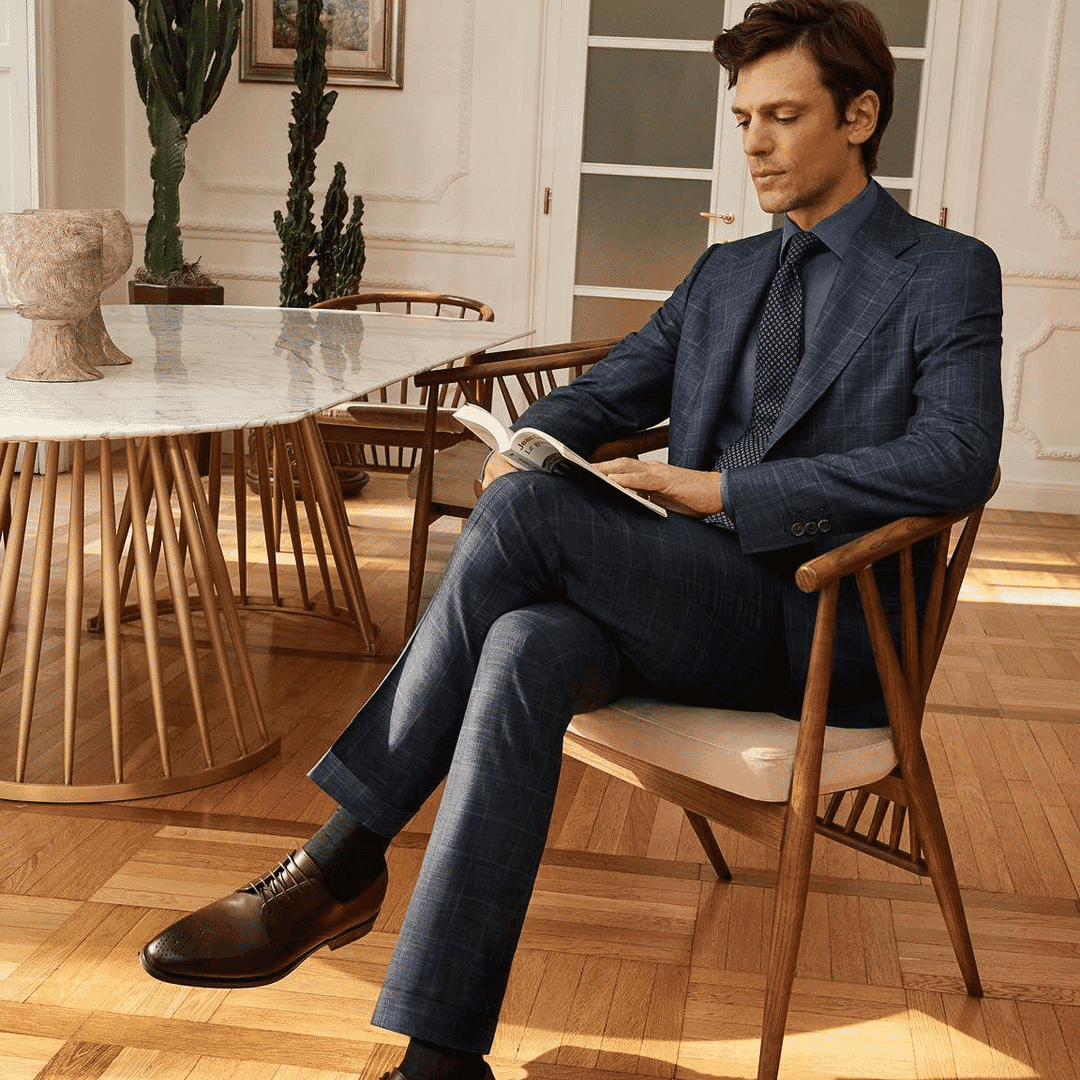
The landscape of luxury real estate is in constant flux, shaped by the evolving desires of a sophisticated global clientele. As affluent individuals and families seek more than just opulent residences, their preferences are redefining what constitutes a desirable and valuable high-end home. This dynamic shift is driven by a confluence of technological advancements, a growing awareness of well-being, and a desire for experiences that transcend traditional material possessions.
Understanding these evolving preferences is crucial for accurately valuing and marketing luxury properties in today’s interconnected world.A new generation of affluent purchasers, often younger and more globally aware than previous cohorts, is influencing the very fabric of luxury home design and functionality. They are not merely seeking status symbols but are investing in environments that actively contribute to their quality of life.
This has led to a significant demand for wellness-focused spaces, where homes are designed to promote physical and mental well-being. Think integrated home gyms with state-of-the-art equipment, dedicated yoga or meditation rooms, and spa-like bathrooms featuring chromotherapy showers and therapeutic tubs. Biophilic design principles, incorporating natural elements like indoor plants, water features, and ample natural light, are also gaining traction, fostering a sense of calm and connection to nature within the urban environment.Sustainability is no longer a niche concern but a core expectation for many discerning buyers.
They are increasingly looking for homes built with eco-friendly materials, equipped with energy-efficient systems such as solar panels and geothermal heating/cooling, and featuring advanced water conservation technologies. The concept of a “smart home” has also evolved to include intelligent environmental controls that optimize energy usage and indoor air quality. Furthermore, flexible living arrangements are paramount. The rise of remote work and a desire for multi-generational living or accommodating guests has spurred demand for adaptable spaces.
Understand how the union of mobile homes for sale can improve efficiency and productivity.
This includes homes with dedicated home offices, separate guest suites, or even flexible floor plans that can be reconfigured to suit changing needs. These emerging trends cater to a generation that prioritizes health, environmental responsibility, and adaptable lifestyles, directly impacting the valuation of properties that offer these features.
International Buyers and Their Cultural Expectations in Global Gateway Cities
The influence of international buyers on the pricing and features of luxury properties in global gateway cities cannot be overstated. These buyers, drawn by economic opportunities, cultural attractions, and perceived investment security, bring with them distinct cultural expectations that significantly shape local luxury markets. In cities like London, New York, or Hong Kong, where a significant portion of high-net-worth individuals are foreign, developers and agents must navigate a complex tapestry of preferences.
For instance, in many Asian cultures, the concept of “feng shui” remains highly influential, impacting everything from the orientation of the building to the layout of individual rooms and the placement of specific elements within the home. This can translate into a demand for properties with specific architectural alignments and a preference for certain auspicious colors or materials, which can affect resale value.Conversely, European buyers might place a higher premium on historical context and architectural heritage, seeking properties that offer a sense of legacy and timeless elegance, often within established, prestigious neighborhoods.
Middle Eastern buyers, on the other hand, may prioritize privacy and security, leading to a demand for properties with extensive security systems, private entrances, and often a preference for larger, more expansive living spaces that can accommodate extended family and social gatherings. The emphasis on communal spaces for entertaining is also a common thread across various cultures, though the style and scale of this entertaining can differ.
Understanding these nuanced cultural expectations is not merely about aesthetics; it directly impacts the features that command premium prices. For example, a property that might be considered standard in one market could require significant customization to appeal to buyers from another, influencing renovation costs and ultimately, its market valuation.Regional preferences also play a critical role. In cities with a strong influx of tech entrepreneurs, for instance, there might be a greater demand for smart home technology and seamless integration of digital systems.
In contrast, cities with a more established arts and culture scene might see a preference for properties with ample space for art collections or performance areas. This globalized demand necessitates a nuanced understanding of both broad international trends and specific regional desires, making flexibility and adaptability in property offerings key to success in these dynamic markets. The ability to cater to these diverse cultural expectations can unlock significant market potential and justify higher price points for properties that align with these specific buyer profiles.
The Growing Importance of ‘Experience’ in Luxury Home Desirability
The concept of ‘experience’ is rapidly becoming a cornerstone of luxury home desirability, leading to significantly higher valuations for properties that offer unique lifestyle opportunities and exclusive access. Today’s affluent buyers are increasingly prioritizing how a home makes them feel and the lifestyle it enables, rather than solely focusing on its material opulence. This paradigm shift means that a home is no longer just a dwelling but a platform for curated experiences.
Properties that offer seamless integration with nature, such as those with private hiking trails, direct access to pristine beaches, or breathtaking panoramic views, are highly sought after. The ability to step outside your door and immerse yourself in a natural environment provides a sense of escape and rejuvenation that is increasingly valued.Furthermore, the rise of the “experience economy” has permeated the luxury real estate market.
Homes that facilitate unique hobbies or passions command a premium. This could include properties with professional-grade kitchens for culinary enthusiasts, dedicated art studios, soundproof music rooms, or even private vineyards and orchards for those who appreciate artisanal production. The inclusion of resort-style amenities within a private residence is another significant driver of this trend. Think of homes featuring private cinemas with immersive sound systems, indoor or outdoor swimming pools with elaborate landscaping, fully equipped home spas, or even personal golf simulators.
These features transform a house into a personal retreat, offering entertainment and relaxation without the need to leave the property.Exclusive access to amenities and services also contributes significantly to a property’s valuation. Properties located within exclusive communities that offer private clubs, world-class golf courses, equestrian facilities, or yachting access are highly prized. Even within a single property, the concept of experience can be enhanced through thoughtful design that fosters connection and community.
This might include beautifully landscaped communal gardens, elegant entertaining spaces designed for hosting guests, or even proximity to vibrant cultural hubs, fine dining establishments, and high-end retail destinations. The valuation of such properties reflects not just their physical attributes but the intangible benefits and elevated lifestyle they provide, creating a compelling proposition for discerning buyers seeking more than just a roof over their heads.
Cultural Perceptions of Wealth and Status in Luxury Home Valuation Across International Markets
The way wealth and status are perceived across different cultures profoundly influences the types of luxury homes that are most highly valued in diverse international markets. This is not simply a matter of architectural style but reflects deeply ingrained societal values and aspirations. In many Western markets, particularly in Europe and North America, there is often a strong appreciation for understated elegance and a sense of history.
Luxury homes here might be valued for their architectural integrity, their connection to heritage, and their integration into established, prestigious neighborhoods. A sprawling country estate with historical significance or a meticulously renovated penthouse in a landmark building often signifies status and success. The emphasis is frequently on quality craftsmanship, timeless design, and a certain “lived-in” grandeur that speaks of enduring value.In contrast, in some rapidly developing economies, particularly in parts of Asia and the Middle East, wealth and status are often expressed more overtly.
Luxury homes in these markets may be characterized by their sheer scale, opulent materials, and cutting-edge technology. Think of towering modern villas with expansive marble interiors, intricate gold detailing, and state-of-the-art smart home systems. The valuation here is often tied to the demonstrable display of affluence and the ability to showcase success through conspicuous consumption. Private amenities like indoor swimming pools, home cinemas, and extensive staff quarters are not just features but statements of wealth and status.
The emphasis is on newness, grandeur, and the ability to impress.Furthermore, the concept of family and community plays a significant role in cultural perceptions of luxury housing. In cultures where extended family ties are paramount, larger homes that can accommodate multiple generations under one roof, or properties with separate annexes for relatives, are highly valued. This can lead to a preference for sprawling estates or multi-unit residences that facilitate close family proximity.
Conversely, in more individualistic societies, the emphasis might be on personal space and privacy, leading to a demand for secluded estates or high-rise apartments offering panoramic city views and a sense of personal sanctuary. The presence of specific cultural symbols or auspicious elements can also impact valuation; for example, in some cultures, the presence of a water feature in a garden might be highly desirable for its perceived luck-bringing properties, influencing its market appeal and price.
These diverse cultural lenses through which wealth and status are viewed create a fascinating and complex global market for luxury real estate.
Closure

In conclusion, the valuation of luxury homes is a sophisticated interplay of tangible and intangible assets, shaped by economic currents, intrinsic property merits, and the allure of exclusive locations. The price tag on these magnificent properties is a reflection not merely of bricks and mortar, but of a carefully curated lifestyle, a legacy of design, and a strategic position within a global market.
As buyer preferences evolve and global dynamics shift, the definition and valuation of luxury will undoubtedly continue its fascinating transformation, offering endless opportunities for analysis and appreciation.
Essential FAQs: Luxury Home Price
What is the average price range for a luxury home?
The average price range for a luxury home can vary dramatically by region, but generally, it refers to properties in the top 10-20% of a given market, often starting from several million dollars and extending into the tens or even hundreds of millions for ultra-luxury estates.
How do interest rates specifically affect the luxury home market?
While the ultra-wealthy may be less sensitive to interest rates, higher rates can still impact the luxury market by increasing the cost of financing for those who do use mortgages, potentially reducing borrowing power and overall demand. It can also influence investor sentiment and the broader economic climate, which indirectly affects luxury spending.
Are there specific architectural styles that command higher luxury home prices?
While timeless designs and unique architectural significance often add value, the highest prices are typically driven by bespoke designs, historical provenance, and the reputation of the architect or designer, rather than a single prevailing style. Modern, minimalist, and classic architectural approaches can all achieve top valuations when executed with exceptional quality and thoughtful design.
How does a property’s “experience factor” translate into monetary value?
The “experience factor” refers to the lifestyle and unique opportunities a property offers, such as unparalleled entertainment spaces, private resort-style amenities, or exclusive access to natural wonders. These intangible benefits are translated into monetary value through buyer willingness to pay a premium for the lifestyle and memories the property promises, often justifying higher prices than comparable properties lacking these experiential qualities.