Houses for sale in florida beckon with promises of sunshine, diverse landscapes, and vibrant communities. This comprehensive exploration delves into the myriad opportunities awaiting prospective homeowners, from bustling metropolitan areas to serene coastal retreats. Whether you’re seeking a starter home, a luxurious estate, or a savvy investment, understanding the intricacies of the Florida real estate market is paramount to making an informed decision.
We will navigate the distinct regional markets, explore the variety of home types available, and break down the financial considerations involved. Furthermore, this guide will illuminate current market trends, Artikel the essential steps in the buying process, and highlight the unparalleled lifestyle benefits of owning a piece of the Sunshine State. For those interested in property investment, we’ll also touch upon the advantages and considerations of rental opportunities.
Exploring Florida’s Diverse Real Estate Landscapes
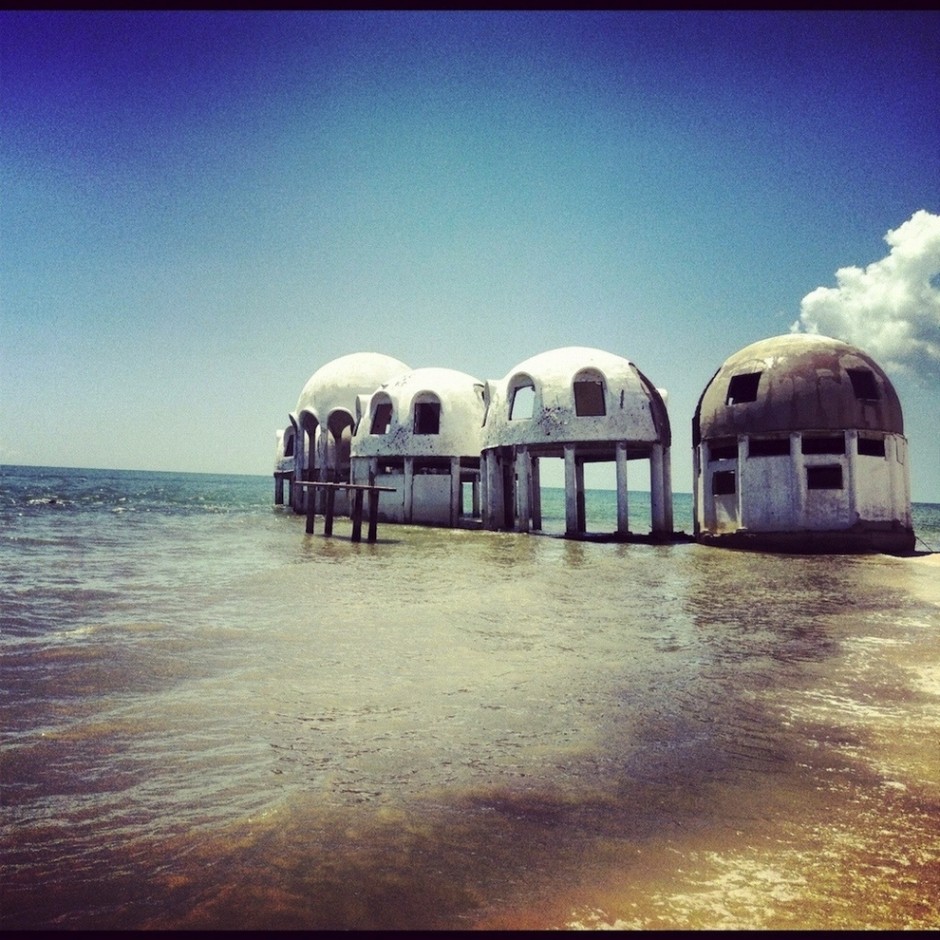
Florida, a state synonymous with sunshine and vibrant living, offers a remarkably diverse array of residential property opportunities. From the bustling metropolises of the south to the tranquil, natural beauty of the Panhandle, each region presents a unique housing market shaped by its geography, economy, and lifestyle. Understanding these distinctions is crucial for anyone looking to invest in or relocate to the Sunshine State.The state’s expansive coastline and varied interior landscapes create distinct real estate environments.
Whether you’re drawn to the dynamic energy of a major city, the relaxed pace of a coastal town, or the affordability of an inland community, Florida has a property to match your aspirations. This exploration delves into the characteristics of its primary geographical regions, highlighting what makes each a desirable place to call home.
South Florida Housing Market Characteristics
South Florida is characterized by its affluent lifestyle, international appeal, and a robust demand for luxury properties. The housing market here is dynamic, with a significant presence of high-rise condominiums, waterfront estates, and exclusive villas. Typical property types include modern apartments with ocean views in cities like Miami and Fort Lauderdale, sprawling single-family homes in upscale communities such as Boca Raton and Palm Beach, and equestrian properties in areas like Wellington.
Price ranges in South Florida are generally the highest in the state, reflecting the premium associated with its desirable climate, world-class amenities, and strong job market. Expect to find entry-level condos starting in the high $300,000s, while luxurious beachfront properties and large estates can easily command multi-million dollar price tags. The market is heavily influenced by seasonal tourism and international investment, leading to a consistently active sales environment.
Central Florida Housing Market Characteristics
Central Florida, often referred to as the “Theme Park Capital of the World,” offers a more diverse and often more affordable housing market compared to its southern counterpart. This region encompasses major metropolitan areas like Orlando, Tampa, and the surrounding suburbs, which are experiencing significant growth. Housing options are varied, ranging from starter homes and family-friendly neighborhoods to townhouses and upscale communities.
Orlando is known for its vacation rental properties and family homes, while Tampa offers a mix of urban living with waterfront condos and suburban single-family residences. Price ranges in Central Florida are generally more accessible, with single-family homes often available in the $300,000s to $500,000s, and condos starting in the low $200,000s. The market is driven by a strong job growth, a burgeoning tech sector, and the constant influx of families seeking a vibrant lifestyle with access to entertainment and outdoor activities.
Florida Panhandle Housing Market Characteristics, Houses for sale in florida
The Florida Panhandle, stretching along the Gulf Coast in the northern part of the state, presents a distinct market characterized by its natural beauty, a more relaxed pace of life, and generally lower price points than South or Central Florida. This region is renowned for its pristine white-sand beaches, emerald waters, and abundant natural landscapes. Housing types include charming beach cottages, family-oriented single-family homes in coastal towns like Destin and Panama City Beach, and more traditional residential neighborhoods in cities such as Pensacola and Tallahassee.
Price ranges in the Panhandle are typically more affordable. Beachfront properties can still be substantial investments, but inland homes and properties in less tourist-centric towns offer excellent value. Single-family homes can often be found in the $200,000s to $400,000s, with condos and smaller properties being even more accessible. The market is influenced by tourism, military presence, and a growing interest in its natural recreational opportunities.
Lifestyle Benefits: Coastal vs. Inland Florida
Residing in Florida’s coastal communities offers a lifestyle deeply connected to the water. Residents enjoy direct access to beaches for swimming, sunbathing, and water sports, along with a vibrant social scene often centered around waterfront dining and marinas. The air is often fresher, and the sound of the waves provides a constant, soothing backdrop. Amenities typically include proximity to boating, fishing, and a plethora of seafood restaurants.
The community feel in many coastal towns is often one of relaxed leisure and shared appreciation for the natural environment.Inland towns, conversely, offer a different, yet equally appealing, lifestyle. While direct beach access may be absent, inland communities often provide more space, greater affordability, and a stronger sense of traditional neighborhood living. Amenities might include expansive parks, lakes for recreation, golf courses, and a more diverse range of cultural and family-oriented activities.
The community feel in inland areas can be more grounded, with a focus on local schools, community events, and a more stable, year-round population. These areas often serve as hubs for business and industry, providing robust employment opportunities.
Emerging Areas for Residential Real Estate Growth
Florida’s real estate market is constantly evolving, with several areas experiencing significant growth and attracting new investment. Beyond the established hubs, cities and towns that were once considered secondary are now burgeoning with development.One such area is the Tampa Bay Metropolitan Area, particularly its northern and eastern suburbs like Wesley Chapel and Land O’Lakes. These regions are witnessing substantial residential development, driven by their proximity to Tampa’s job market, excellent schools, and a more affordable cost of living compared to the core city.
Browse the multiple elements of homes mobile homes to gain a more broad understanding.
New master-planned communities offering a range of housing options are a common sight.Another noteworthy region is Southwest Florida, beyond the established markets of Naples and Fort Myers. Areas like Port Charlotte and Punta Gorda are experiencing a surge in interest due to their attractive price points, access to beautiful waterways, and a growing infrastructure. The development of new retail centers and healthcare facilities is further fueling residential demand.Furthermore, the Space Coast, encompassing cities like Melbourne and Palm Bay, is seeing renewed interest.
Driven by the expansion of the aerospace and technology sectors, this region offers a blend of coastal living and a growing job market. New residential communities are being developed to accommodate the influx of professionals and families.
Identifying the Various Types of Homes Commonly Listed for Purchase Throughout the State of Florida
Florida’s real estate market is as diverse as its climate and attractions, offering a wide spectrum of housing options to suit every taste, budget, and lifestyle. From bustling urban centers to serene coastal towns and quiet inland communities, the types of homes available cater to a broad range of buyer profiles. Understanding these distinctions is crucial for anyone looking to make a purchase in the Sunshine State.The state’s housing inventory is a dynamic reflection of its population growth, tourism industry, and varied geographic features.
Whether you’re a first-time homebuyer, a retiree seeking a low-maintenance lifestyle, an investor, or someone looking for an opulent escape, Florida has a property type that will likely meet your needs.
Single-Family Residences
Single-family homes are the cornerstone of many residential neighborhoods across Florida. These are detached dwellings situated on their own lot, offering privacy and a sense of ownership of both the structure and the land it occupies. They typically feature a yard, a driveway, and often a garage, providing ample space for families, pets, and outdoor activities.Single-family homes appeal to a wide demographic, from young families needing room to grow to individuals seeking a private sanctuary.
They can range from modest, older homes in established neighborhoods to sprawling, modern residences with custom features. The appeal lies in the freedom to renovate, landscape, and personalize the property without the restrictions often found in other housing types.
Condominiums
Condominiums, or condos, represent a popular choice, particularly in urban areas and popular tourist destinations. A condo is an individually owned unit within a larger building or complex. While you own your unit, you share ownership and responsibility for common areas such as hallways, elevators, pools, fitness centers, and grounds maintenance. These shared amenities are managed by a homeowners’ association (HOA), which collects monthly or annual fees to cover upkeep and services.Condos are often favored by individuals and couples seeking a low-maintenance lifestyle, as exterior upkeep, landscaping, and often some utilities are handled by the HOA.
They are also attractive to investors due to their potential for rental income and to retirees who appreciate the convenience and access to amenities.
Townhouses
Townhouses offer a hybrid living experience, combining aspects of single-family homes and condominiums. Typically, townhouses are attached homes, sharing one or more walls with adjacent units, but they usually have their own entrance and often a small private outdoor space, like a patio or a small yard. Like condos, townhouses often fall under an HOA that manages common areas and exterior maintenance.This type of dwelling is a good fit for those who desire more space than a typical condo but prefer less maintenance than a detached single-family home.
They can be a practical option for growing families or professionals looking for a balance of privacy and community living.
Villas
Villas in Florida often refer to a specific style of attached or semi-detached housing, frequently found in resort-style communities or planned developments. They typically offer a more luxurious feel than standard townhouses, often featuring more spacious floor plans, higher-end finishes, and sometimes private courtyards or small plunge pools.Villas are ideal for those seeking a vacation home, a second residence, or a sophisticated primary residence with built-in amenities and a sense of exclusivity.
They often come with access to community facilities such as golf courses, clubhouses, and concierge services, enhancing the lifestyle appeal.
Manufactured Homes and Mobile Homes
Manufactured homes and mobile homes are prevalent in many Florida communities, offering a more affordable entry point into homeownership. Manufactured homes are built in a factory and then transported to a site, meeting federal building codes (HUD code). Mobile homes, older designations, were built before the HUD code and may have different construction standards.These homes are often located in dedicated communities where residents own their home but may lease the land it sits on, or they might be placed on privately owned land.
Their primary advantage is affordability, making them accessible to a wider range of buyers, including retirees on fixed incomes and those looking for a budget-friendly option. Considerations include potential for depreciation, financing challenges, and community rules and fees.
Do not overlook the opportunity to discover more about the subject of Cheap Mobile Homes for Sale in Palm Beach County.
Luxury Estates and Waterfront Properties
Florida is renowned for its opulent luxury estates and stunning waterfront properties, catering to an affluent clientele. These residences are characterized by expansive living spaces, high-end architectural designs, premium materials, and state-of-the-art amenities. Waterfront properties, in particular, offer direct access to the ocean, intracoastal waterways, lakes, or canals, providing breathtaking views and opportunities for boating and water sports.Features often include private docks, infinity pools, home theaters, wine cellars, expansive master suites, and sophisticated landscaping.
The lifestyle associated with these properties is one of exclusivity, privacy, and unparalleled comfort, often set within gated communities or on secluded private estates.
Starter Homes vs. Move-Up Homes
The Florida market clearly delineates between starter homes and move-up homes, primarily based on affordability and space requirements. Starter homes are typically smaller, more affordable residences designed for first-time homebuyers or those with limited budgets. They might be older, more compact single-family homes, condos, or townhouses in more established or developing areas. Their appeal lies in their accessibility and the opportunity to build equity.Move-up homes, conversely, are larger and more expensive, designed for homeowners looking to upgrade their living situation as their needs change, such as starting a family or accumulating more wealth.
These homes offer more bedrooms, bathrooms, living space, and often better locations or more desirable features. They represent a progression in the housing market, reflecting increased financial capacity and evolving lifestyle demands.
| Home Type | Typical Features | Ideal Buyer Profile | Considerations |
|---|---|---|---|
| Single-Family Residence | Detached, private lot, yard, driveway, garage | Families, individuals seeking privacy and space | Higher maintenance, property taxes |
| Condominium | Owned unit in a building, shared common areas, HOA | Singles, couples, retirees, investors, low-maintenance seekers | HOA fees, rules and regulations, less privacy |
| Townhouse | Attached, private entrance, shared walls, often HOA | Small families, professionals balancing space and maintenance | HOA fees, shared walls |
| Villa | Luxurious attached/semi-detached, often in planned communities, premium finishes | Vacationers, those seeking resort-style living, affluent buyers | Higher price point, community fees |
| Manufactured/Mobile Home | Factory-built, often in dedicated communities, lower cost | Budget-conscious buyers, retirees | Potential depreciation, land lease fees, community rules |
| Luxury Estate/Waterfront | Expansive, high-end finishes, premium locations, exclusive amenities | Affluent buyers, those seeking prestige and unique lifestyle | Very high price point, significant upkeep |
| Starter Home | Smaller, more affordable, foundational property | First-time homebuyers, budget-conscious individuals | Limited space, may require renovations |
| Move-Up Home | Larger, more features, better location, increased investment | Growing families, established homeowners upgrading | Higher mortgage, increased costs |
Illustrate the current market trends and factors influencing the availability and pricing of homes for sale in Florida.
Florida’s real estate market is a dynamic entity, constantly shaped by a confluence of economic forces, demographic shifts, and its inherent appeal as a desirable place to live. Understanding these trends is crucial for anyone looking to buy or sell property in the Sunshine State. Currently, the market is characterized by a delicate balance between robust demand and evolving inventory levels, with pricing reflecting these underlying dynamics.The availability of homes for sale, often referred to as inventory, is a primary driver of market conditions.
When inventory is low, meaning there are fewer homes on the market than buyers seeking them, prices tend to rise due to increased competition. Conversely, a higher inventory can lead to more stable or even declining prices as sellers compete for buyers. Days on market, the average time a property spends listed before being sold, also provides valuable insight. A shorter days on market indicates a strong seller’s market, while a longer period suggests a buyer’s market or a market with specific challenges.
Recent sales data from key metropolitan areas across Florida, such as Miami-Fort Lauderdale-West Palm Beach, Tampa-St. Petersburg-Clearwater, and Orlando-Kissimmee-Sanford, consistently reveals the impact of these factors on property values. For instance, in areas experiencing significant population growth, like the Tampa Bay region, low inventory combined with strong demand has led to rapid price appreciation and a quickening pace of sales.
Market Indicators and Their Impact
The Florida housing landscape is significantly influenced by a variety of factors, including seasonal fluctuations, broader economic conditions, and evolving demographic trends. These elements collectively shape the availability and pricing of homes. Seasonal patterns are particularly pronounced in Florida, with the peak winter tourist season often coinciding with increased buyer activity and a surge in listings as homeowners aim to capitalize on this influx.
This period can see higher prices and more competitive bidding. Economic conditions, such as interest rate changes, employment figures, and overall consumer confidence, play a pivotal role. When interest rates are low, borrowing becomes more affordable, stimulating demand and potentially driving up prices. Conversely, rising interest rates can dampen buyer enthusiasm and lead to price moderation. Demographic shifts, including migration patterns, are also critical.
Florida has long been a magnet for retirees and those seeking a warmer climate or a lower cost of living compared to other states. This consistent influx of new residents, coupled with natural population growth, directly fuels demand for housing, impacting both the quantity of homes available and their market value.
Seasonal Buying Strategies
Choosing when to enter Florida’s real estate market can offer distinct advantages. Buying during the peak season, typically from late fall through spring, often means encountering a wider selection of available properties. This abundance can empower buyers with more choices and potentially more negotiation leverage, especially if they are not facing immediate urgency. However, this period also typically sees the highest demand, which can translate into increased competition from other buyers and, consequently, higher price points.
Sellers are also more likely to list their homes during these months, anticipating greater interest and potentially quicker sales.In contrast, purchasing during the off-season, generally during the summer and early fall months, can present a different set of benefits. While the inventory might be somewhat reduced, the competition among buyers is often less intense. This can create opportunities for buyers to secure properties at more favorable prices or with less pressure.
Sellers who list during the off-season may be more motivated to sell, potentially leading to more negotiable terms. Furthermore, the slower pace of the market during these months can allow buyers more time for thorough due diligence and decision-making without the urgency often felt during peak periods.
Development and Infrastructure Influence on Property Values
Local development projects and ongoing infrastructure improvements are powerful catalysts that can significantly affect property values and the demand for homes in Florida. When municipalities or private entities invest in new amenities, transportation networks, or commercial centers, these enhancements often create a ripple effect that boosts the desirability and economic vitality of surrounding areas. For example, the development of a new public park, a revitalized downtown district, or the expansion of a major highway can make a neighborhood more attractive to potential residents and businesses alike.
This increased appeal directly translates into higher demand for housing in the vicinity.Furthermore, infrastructure improvements, such as upgrades to water and sewer systems, enhanced public transportation, or the installation of high-speed internet, can not only improve the quality of life for existing residents but also make properties more functional and appealing to a broader range of buyers. These improvements can also lead to increased property values as the perceived value and utility of the real estate in these areas rise.
For instance, a planned light rail extension connecting a suburban area to a major employment hub can dramatically increase demand and property values in the affected suburbs, as commuting becomes more convenient and efficient. Large-scale commercial developments, such as new shopping centers or office complexes, can also stimulate local economies, create jobs, and further drive housing demand in nearby residential areas.
This synergy between development, infrastructure, and housing is a continuous cycle that shapes the evolving real estate landscape of Florida.
The Florida Lifestyle: Sun, Sand, and Endless Opportunities
Owning a home in Florida offers a lifestyle unparalleled in its diversity and appeal. Beyond the tangible asset of property, Florida real estate unlocks a world of unique experiences, from the tranquil rhythm of coastal living to the vibrant energy of its world-class attractions. This section delves into the rich tapestry of recreational pursuits and cultural experiences that define life in the Sunshine State, highlighting how these elements significantly enhance the desirability and value of homes across its varied landscapes.The allure of Florida is deeply intertwined with its natural beauty and man-made wonders.
Proximity to its legendary beaches, from the powdery white sands of the Gulf Coast to the dynamic shores of the Atlantic, provides residents with daily opportunities for relaxation, water sports, and breathtaking sunsets. Similarly, the iconic theme parks, particularly in the Orlando area, offer endless entertainment for families and individuals alike, making homes in these vicinities highly sought after. Beyond these well-known draws, Florida boasts a wealth of natural attractions, including the Everglades, numerous state and national parks, and crystal-clear springs, all offering unique avenues for exploration and adventure.
Recreational Pursuits Across Florida’s Regions
Florida’s diverse geography caters to a wide array of outdoor enthusiasts, with specific regions offering distinct advantages for various activities. The availability and accessibility of these pursuits directly influence property desirability and pricing.The coastal regions, naturally, are prime for water-based activities. On the Gulf Coast, with its calmer waters and numerous bays, boating, fishing, and paddleboarding are exceptionally popular. Areas like Southwest Florida, with its extensive network of canals and marinas, offer direct access to the Gulf for offshore fishing and sailing.
Homes in these areas often feature private docks or are located within boating communities, commanding a premium due to this lifestyle amenity. The Atlantic coast, while often featuring more active surf, provides excellent opportunities for surfing, deep-sea fishing charters, and vibrant beachfront living.Inland Florida also presents a wealth of recreational options. The central and northern parts of the state are renowned for their exceptional golfing communities, with hundreds of meticulously maintained courses attracting avid golfers.
Many residential developments are built around these golf courses, offering a lifestyle where the fairway is just a short walk or golf cart ride away. Furthermore, Florida’s extensive system of rivers, lakes, and springs makes it a haven for freshwater fishing, kayaking, and canoeing. The Ocala National Forest, for instance, is a prime destination for hiking, camping, and exploring natural springs.
Get the entire information you require about Home Bar Wall Decor Ideas on this page.
Cultural Richness and Community Diversity
Florida’s population is a vibrant mosaic of cultures, contributing to a unique and dynamic living experience. This diversity is reflected in its culinary scenes, festivals, arts, and community events, creating distinct neighborhood characters that appeal to a broad spectrum of residents.From the Latin influences in Miami and Tampa to the Southern charm of the Panhandle and the burgeoning arts scenes in cities like St.
Petersburg and Sarasota, each locale offers a distinct cultural flavor. This richness fosters a strong sense of community, with local events and traditions playing a significant role in the daily lives of homeowners. The presence of diverse communities means that prospective buyers can find a neighborhood that truly resonates with their personal preferences and lifestyle aspirations.
A Day in the Life: A Florida Retirement Community
Imagine a typical day for a homeowner in a popular Florida retirement community, such as The Villages or a similar active adult enclave. The morning might begin with a brisk walk or bike ride along meticulously maintained paths, perhaps followed by a coffee and chat with neighbors at the community’s clubhouse.The day unfolds with a plethora of scheduled activities designed for engagement and well-being.
This could include a fitness class like water aerobics in one of the community’s many pools, a round of golf on a championship course, or participation in a hobby club – perhaps gardening, woodworking, or bridge. Lunch might be a casual affair at a community restaurant, fostering social connections.Afternoons often involve cultural enrichment or further recreation. Residents might attend a lecture, a live musical performance, or visit one of the community’s artisan shops.
For those seeking tranquility, a quiet afternoon spent reading by the pool or tending to a personal garden is always an option.As evening approaches, social gatherings become more prominent. Many communities feature restaurants and bars where residents can enjoy dinner with friends, followed by dancing or entertainment. The emphasis is on an active, social, and fulfilling lifestyle, supported by an array of amenities that cater to the diverse interests of its residents, ensuring a vibrant and engaging retirement.
Investing in Florida Rental Properties: Opportunities and Considerations: Houses For Sale In Florida
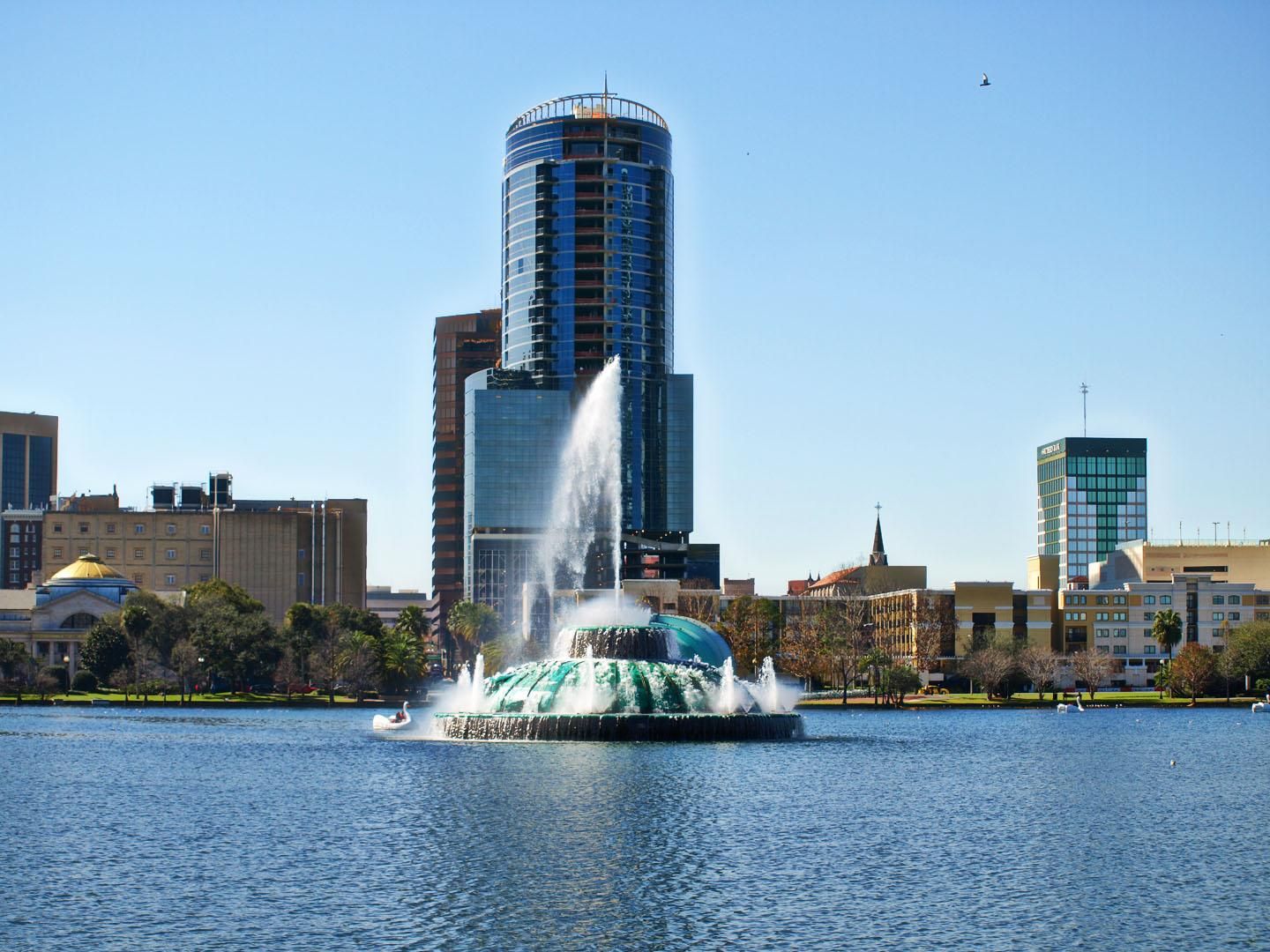
Florida’s dynamic real estate market presents a compelling landscape for those looking to invest in rental properties. The allure of steady income, potential appreciation, and the ability to capitalize on the state’s robust tourism industry makes it a prime location for real estate investors. However, successful rental property investment requires a thorough understanding of the advantages, potential pitfalls, and the operational aspects involved.
This section delves into the key elements to consider when venturing into Florida’s rental property market, from identifying lucrative areas to navigating legalities and managing your investments effectively.
Popular Investment Areas and Potential Returns
Florida offers a diverse range of locations suitable for various types of rental investments, each with its unique appeal and potential for returns. Vacation rentals, often found in high-demand tourist destinations, can yield significant short-term income, especially during peak seasons. Long-term rentals, on the other hand, provide a more stable, consistent cash flow, appealing to investors seeking predictable income streams.Areas like Orlando, with its world-renowned theme parks, consistently attract families and tourists, making it a hotbed for short-term vacation rentals.
Occupancy rates in prime Orlando locations can often exceed 80% during peak travel times. Similarly, the Gulf Coast cities of Tampa, St. Petersburg, and Clearwater, known for their pristine beaches and vibrant communities, are highly sought after by vacationers. The South Florida region, including Miami, Fort Lauderdale, and the Keys, offers a blend of luxury vacation rentals and a strong demand for long-term housing due to its thriving economy and international appeal.
Here, occupancy rates for desirable vacation properties can also be very high, particularly during the winter months.For long-term investments, cities with growing job markets and a steady influx of new residents, such as Jacksonville, Tampa, and even some of the Panhandle’s larger towns, present excellent opportunities. These areas often experience consistent demand for apartments, single-family homes, and townhouses, leading to stable occupancy rates, typically ranging from 90% to 95% for well-maintained properties in good locations.Potential returns on investment (ROI) in Florida rental properties can vary significantly based on location, property type, management efficiency, and market conditions.
However, many investors aim for an annual ROI of 5% to 10% or higher, factoring in rental income, potential property appreciation, and expenses. For instance, a well-located condo in a popular tourist spot might generate a gross rental yield of 6-8%, which, after accounting for property management fees, maintenance, and taxes, could translate into a healthy net ROI.
Legal and Regulatory Frameworks for Rental Properties
Navigating the legal and regulatory landscape is crucial for any landlord in Florida. The state has specific laws governing landlord-tenant relationships, property management, and short-term rentals. Understanding these frameworks helps ensure compliance, protects your investment, and fosters positive tenant relationships.Key legislation includes the Florida Residential Landlord and Tenant Act, which Artikels the rights and responsibilities of both parties. This act covers aspects such as lease agreements, security deposits, eviction procedures, and the landlord’s duty to maintain the property in a habitable condition.
For example, landlords must provide essential services like running water, heat, and electricity, and address repairs in a timely manner.
The Florida Residential Landlord and Tenant Act provides a comprehensive guide to the legal relationship between landlords and tenants, ensuring fairness and clarity in rental agreements.
Local ordinances also play a significant role, particularly concerning short-term rentals. Many cities and counties have implemented regulations regarding licensing, zoning, occupancy limits, and taxation for vacation rentals. For instance, some areas require hosts to obtain special permits or pay specific taxes on short-term stays, while others may have restrictions on the duration of rentals or the number of guests.
It is imperative for investors to research and comply with the specific regulations of the municipality where their property is located.Property management companies operating in Florida must also adhere to licensing requirements set forth by the Florida Department of Business and Professional Regulation. This ensures that professional property managers are qualified and operate ethically.
Primary Residence vs. Investment Property in Florida
Deciding whether to purchase a primary residence or an investment property in Florida involves distinct considerations, each serving different personal and financial objectives. Owning a primary residence offers the tangible benefit of a home to live in, providing personal comfort, stability, and the potential for tax advantages related to homeownership, such as mortgage interest deductions. It’s a lifestyle choice that allows for customization and the creation of a personal sanctuary.On the other hand, an investment property is acquired with the primary goal of generating income and capital appreciation.
The benefits of owning an investment property in Florida include:
- Potential for Passive Income: Rental income can provide a steady stream of cash flow, supplementing other income sources or covering property expenses.
- Asset Appreciation: Florida’s real estate market has historically shown strong appreciation, allowing investors to build wealth over time.
- Diversification of Investments: Real estate can be a valuable addition to a diversified investment portfolio, offering a tangible asset that may perform differently than stocks or bonds.
- Tax Benefits: Investment property owners can often deduct expenses such as property taxes, mortgage interest, insurance, and depreciation, reducing their taxable income.
While a primary residence is for personal use, an investment property can be leveraged for financial gain. However, owning an investment property also comes with responsibilities, including finding and managing tenants, handling maintenance and repairs, and dealing with potential vacancies. The financial objectives for each type of ownership are also different. A primary residence is about building equity and creating a home, while an investment property is about maximizing returns and growing wealth.
Tenant Finding and Management Process
Effectively finding and managing tenants is fundamental to the success of any rental property investment. A streamlined and thorough process ensures that you attract reliable renters, maintain your property, and minimize vacancies.The initial step involves marketing your property to attract suitable tenants. This can be achieved through various channels:
- Online Listing Platforms: Websites like Zillow, Apartments.com, and local real estate portals are highly effective for reaching a broad audience.
- Property Management Companies: Professional managers have established marketing strategies and networks to find tenants quickly.
- Local Advertising: Flyers in community centers, local newspapers, and “for rent” signs can also be useful, especially for targeting specific demographics.
Once prospective tenants express interest, a rigorous screening process is essential. This typically involves:
- Rental Applications: Collecting detailed information about the applicant’s employment, income, rental history, and references.
- Credit Checks: Assessing the applicant’s financial responsibility and creditworthiness.
- Background Checks: Verifying identity and checking for any criminal history.
- Income Verification: Confirming that the applicant’s income is sufficient to cover rent payments, often requiring pay stubs or tax returns.
A well-drafted lease agreement is the cornerstone of a good landlord-tenant relationship. It should clearly Artikel the terms of the tenancy, including:
- Rent Amount and Due Date: Specifies the monthly rent and when it is due.
- Lease Duration: Defines the length of the lease term (e.g., 12 months).
- Security Deposit: Details the amount and conditions for its return.
- Tenant and Landlord Responsibilities: Artikels who is responsible for utilities, maintenance, and repairs.
- Rules and Regulations: Includes clauses on pets, smoking, and property use.
Property maintenance is an ongoing responsibility. Regular inspections, prompt handling of repair requests, and preventative maintenance can help preserve the property’s value and tenant satisfaction. This includes everything from routine landscaping and pest control to addressing plumbing or electrical issues promptly.
Proactive tenant screening and clear lease agreements are vital for mitigating risks and ensuring a stable rental income.
Effectively Utilizing Online Resources for Florida Home Searches
Navigating the vast landscape of Florida real estate can be an exciting endeavor, and thankfully, the digital age has equipped us with powerful tools to make this process more efficient and targeted. Online resources are no longer just a starting point; they are sophisticated platforms that empower buyers to discover, analyze, and even virtually experience properties from anywhere. By mastering these digital avenues, you can significantly streamline your search for the perfect Florida home, saving time and focusing your efforts on the most promising opportunities.The internet has revolutionized how we approach property hunting.
Real estate listing websites and dedicated mobile applications offer an unparalleled depth of information, allowing for granular control over search parameters. These platforms aggregate listings from numerous sources, providing a comprehensive overview of what’s available across Florida’s diverse regions. From bustling urban centers to serene coastal towns, the digital realm opens doors to every corner of the Sunshine State.
Navigating Real Estate Listing Websites and Optimizing Search Strategies
Effective use of online real estate platforms begins with understanding their core functionalities and employing strategic search techniques. These websites are designed to be user-friendly, but a few key practices can elevate your search from browsing to a highly targeted mission.Strategies for finding available houses for sale in Florida include:
- Mastering Search Filters: Go beyond basic criteria like location and price. Utilize filters for the number of bedrooms and bathrooms, square footage, lot size, year built, property type (single-family, condo, townhouse), and even specific features like a pool, waterfront access, or a two-car garage. Many platforms also allow you to filter by s, such as “golf course view” or “updated kitchen.”
- Setting Up Property Alerts: This is a crucial time-saving feature. Once you have defined your ideal property criteria, set up email or app notifications. These alerts will inform you immediately when a new listing matching your preferences hits the market, giving you a competitive edge, especially in fast-moving markets. You can often customize the frequency and type of alerts.
- Refining Search Parameters: Don’t be afraid to experiment with your search parameters. If your initial search yields too many results, narrow it down further. If it’s too restrictive, broaden your scope slightly. Consider exploring adjacent neighborhoods or slightly adjusting your budget to see what new options emerge.
- Utilizing Map-Based Search: Many platforms offer interactive maps that allow you to visually explore areas of interest. You can draw custom search boundaries, view nearby amenities like schools, parks, and shopping centers, and see how properties are distributed within a neighborhood. This is particularly useful for understanding the context of a property.
Leveraging Virtual Tours and Detailed Property Descriptions
In the online search process, virtual tours and comprehensive property descriptions serve as invaluable tools for pre-qualification and initial assessment, significantly reducing the need for in-person visits for every property.The benefits of virtual tours and detailed property descriptions include:
- Virtual Tours: These immersive experiences, ranging from 3D walkthroughs to video tours, offer a realistic sense of a home’s layout, flow, and condition without physically being there. They allow you to gauge room sizes, assess natural light, and get a feel for the overall ambiance. This is particularly beneficial when searching from out of state or when time is limited.
- Detailed Property Descriptions: Beyond the basic facts, well-written descriptions provide crucial context. They highlight unique features, recent upgrades, the condition of key systems (HVAC, roof), and the surrounding neighborhood’s lifestyle. Look for descriptions that are thorough and transparent, offering insights into the property’s history and potential.
Interpreting Property Data and Market Reports
Real estate platforms provide a wealth of data that, when properly interpreted, can offer significant insights into market conditions and property values. Understanding this information is key to making informed decisions.A guide on how to interpret property data and market reports found on real estate platforms includes:
- Comparative Market Analysis (CMA): Most platforms will present a CMA, which shows recent sales of similar properties in the same area. Pay attention to the “days on market” for these comparables, the sale price relative to the list price, and the condition of the sold homes. This helps gauge a property’s current market value and potential for negotiation.
- Price History: Reviewing a property’s price history can reveal trends. Look for frequent price reductions, which might indicate the property has been overpriced or has underlying issues. Conversely, steady price increases might suggest strong demand.
- Neighborhood Statistics: Many platforms offer neighborhood data, including average home prices, median income, school ratings, crime rates, and demographic information. This helps you understand the community and its long-term appeal.
- Market Trends and Absorption Rates: Some reports will indicate whether the market is a buyer’s or seller’s market. An absorption rate, for example, shows how quickly homes are selling. A low absorption rate suggests a buyer’s market with more negotiation power, while a high rate indicates a seller’s market where competition is fierce.
- Property Taxes and HOA Fees: These are crucial ongoing costs that significantly impact your monthly expenses. Ensure these figures are clearly presented and understood.
The effective use of online resources transforms a potentially overwhelming property search into a manageable and data-driven process, empowering buyers with knowledge and efficiency.
End of Discussion
Ultimately, the journey to finding your perfect home in Florida is an exciting and rewarding endeavor. By understanding the diverse regions, property types, financial aspects, market dynamics, and the procedural steps involved, you are well-equipped to navigate this dynamic market. From the allure of coastal living to the strategic advantages of investment properties, Florida offers a spectrum of opportunities tailored to various lifestyles and financial goals.
Embrace the process, leverage available resources, and prepare to discover the home that awaits you in this sun-drenched paradise.
FAQ Explained
What are the typical closing costs when buying a house in Florida?
Closing costs in Florida can range from 2% to 5% of the loan amount. This typically includes appraisal fees, title insurance, loan origination fees, recording fees, and pre-paid items like property taxes and homeowner’s insurance premiums.
How important is flood insurance in Florida?
Flood insurance is extremely important in Florida due to its extensive coastline and susceptibility to hurricanes and tropical storms. While not always mandatory for all properties, it is often required by lenders for homes in flood-prone areas and is highly recommended for most Florida homeowners.
What is the average property tax rate in Florida?
Florida has one of the lowest average property tax rates in the United States, typically around 0.98% of the home’s assessed value. However, this can vary significantly by county and municipality.
Are there specific programs for first-time homebuyers in Florida?
Yes, Florida offers several programs for first-time homebuyers, such as the Florida First Time Homebuyer Program (FFTHP), which can provide assistance with down payments and closing costs through low-interest mortgages.
How long does it typically take to close on a house in Florida?
The closing process in Florida usually takes between 30 to 60 days from the acceptance of an offer. This timeframe can be influenced by financing contingencies, inspection results, and the efficiency of all parties involved.