Homes mobile homes represent a significant and evolving segment of the housing market, offering diverse solutions for individuals and families seeking ownership. This exploration delves into the fundamental distinctions between traditional site-built homes and manufactured housing, examining their construction, lifespan, financial aspects, and the evolving landscape of mobile home communities. We will uncover the innovative designs and construction techniques that are transforming modern manufactured homes, making them increasingly attractive and functional.
Furthermore, we will shed light on the financial considerations and investment potential, as well as the diverse demographic profiles of those who choose this housing option.
Understanding the nuances of both site-built and manufactured housing is crucial for making informed decisions. From the initial construction methodologies and regulatory standards to long-term durability and maintenance, the differences are substantial. This guide aims to provide a clear comparative analysis, highlighting the advantages and disadvantages of each, and exploring the typical financing options available. By examining these foundational aspects, we lay the groundwork for a deeper appreciation of the housing choices available today.
Uncover the foundational differences between traditional site-built homes and manufactured housing options that are delivered to a permanent foundation.

The world of homeownership presents a spectrum of choices, and understanding the fundamental distinctions between traditional site-built homes and manufactured housing, particularly those placed on permanent foundations, is crucial for making an informed decision. While both ultimately serve as dwellings, their genesis, construction, and inherent characteristics set them apart significantly. This exploration aims to illuminate these differences, providing a clear picture of what sets each housing type apart from its inception to its long-term presence.
Construction Methodologies: Site-Built vs. Factory-Built
The primary divergence between site-built homes and manufactured housing lies in their construction environments and the methodologies employed. Site-built homes, as the name suggests, are constructed piece by piece directly on the buyer’s land. This process involves a multitude of tradespeople – carpenters, plumbers, electricians, masons, and more – working sequentially and collaboratively at the building site. Materials are typically delivered in bulk, and the structure takes shape over weeks or months, exposed to the elements throughout its development.
This on-site construction allows for a high degree of customization, with architects and builders adapting plans to the specific terrain, local building codes, and the homeowner’s evolving desires. Regulatory oversight for site-built homes is typically handled by local building departments, with inspections occurring at various stages of construction to ensure compliance with stringent building codes, often based on international standards like the International Residential Code (IRC).Manufactured homes, conversely, are built in a climate-controlled factory environment.
This controlled setting offers significant advantages in terms of quality control and efficiency. Construction takes place on assembly lines, where components are prefabricated and then assembled into a complete home. This method allows for precise measurements, consistent material application, and protection from weather, which can lead to fewer construction defects and a more energy-efficient structure from the outset. Materials used are often similar to those in site-built homes, but the factory setting allows for optimized use and reduced waste.
Regulatory standards for manufactured homes are national, primarily governed by the U.S. Department of Housing and Urban Development (HUD) Code, which sets performance standards for design, construction, and durability. While the HUD code ensures a baseline level of safety and quality, it differs from local building codes that govern site-built homes. The final product is then transported to the buyer’s property, where it is installed on a permanent foundation, often a concrete slab or basement, effectively making it indistinguishable in its final placement from a site-built home.
The inherent structural divergences are most apparent in the framing techniques and the integrated nature of the factory assembly, which can lead to a more unified and robust structure in some cases.
Lifespan and Long-Term Durability Expectations
The lifespan and long-term durability of any residence are influenced by a confluence of factors, including construction quality, materials, maintenance, and environmental conditions. For traditional site-built homes, the expectation of longevity is generally high, often spanning 50 to 100 years or even more with diligent care. This extended lifespan is attributed to the robust construction methods, the use of durable materials like brick, concrete, and quality lumber, and the ability to address structural issues as they arise through on-site repairs and renovations.
For instance, a site-built home with a well-maintained concrete foundation and a solid roof structure can endure for generations. Maintenance considerations unique to site-built homes often involve regular inspections of the foundation for cracks, upkeep of the roof and gutter systems to prevent water damage, and periodic sealing or painting of exterior surfaces to protect against the elements.Manufactured homes, especially those placed on permanent foundations, have also seen significant advancements in durability, with many modern units designed to last for 30 to 50 years or longer.
The factory-controlled environment ensures a consistent level of construction quality, which can contribute to their longevity. Materials used are comparable to those in site-built homes, and advancements in insulation, roofing, and siding have improved their resilience. However, the transport and installation process, while sophisticated, can introduce potential vulnerabilities if not executed perfectly. For example, issues with the marriage line (where two sections of the home are joined) or improper sealing during installation can lead to water intrusion or structural weaknesses over time.
Maintenance for manufactured homes on permanent foundations shares many similarities with site-built homes, including roof care, siding maintenance, and foundation checks. However, specific attention may need to be paid to the undercarriage and any exposed components that were part of the transportation system, ensuring they are properly protected and sealed. Examples of long-term durability can be seen in well-maintained manufactured communities where homes, decades old, still stand strong, a testament to their inherent build quality and the owner’s commitment to upkeep.
Advantages and Disadvantages of Ownership
The decision to purchase either a site-built home or a manufactured home involves weighing a distinct set of advantages and disadvantages that impact everything from initial affordability to long-term equity. Site-built homes typically offer unparalleled customization potential. Buyers can work directly with architects and builders to design a home that perfectly suits their needs, style, and the specific characteristics of their land.
This can range from unique floor plans and architectural features to the selection of every material and finish. However, this bespoke approach comes at a higher initial cost. The labor-intensive nature of on-site construction, coupled with the flexibility in design, generally results in a higher purchase price compared to manufactured homes. Furthermore, the resale value of site-built homes is often perceived as more stable and potentially appreciating at a higher rate, as they are built to local codes and are a more traditional form of housing.
The disadvantages include longer construction timelines and the potential for cost overruns if unforeseen issues arise during the building process.Manufactured homes, on the other hand, present a significant advantage in terms of affordability. The efficiency of factory production and economies of scale allow for a lower per-square-foot cost, making homeownership more accessible to a broader range of buyers. This cost-effectiveness extends to faster construction times, as the home is built concurrently with site preparation.
Customization options, while present, are generally more limited than in site-built homes, often revolving around pre-selected floor plans, finishes, and upgrade packages. However, when placed on a permanent foundation and properly sited, manufactured homes can offer a high degree of aesthetic appeal and functionality. A notable disadvantage can sometimes be the perception of resale value, although this is rapidly changing as modern manufactured homes gain wider acceptance and are built to increasingly higher standards.
The ability to secure traditional mortgages for manufactured homes has also improved significantly, further bolstering their appeal. Potential buyers should also consider that while the home itself is built to HUD standards, the land it sits on and any permanent foundation must meet local zoning and building requirements.
Financing Options for Each Housing Category
Securing financing is a critical step in the homeownership journey, and the options available for site-built homes and manufactured homes can differ significantly, impacting interest rates, loan terms, and the overall mortgage process. For traditional site-built homes, the financing landscape is dominated by conventional mortgages. These are loans offered by banks, credit unions, and mortgage lenders that conform to the guidelines set by government-sponsored enterprises like Fannie Mae and Freddie Mac.
The process typically involves a thorough credit check, income verification, and an appraisal of the property. Interest rates for conventional mortgages are influenced by market conditions, the borrower’s credit score, the loan-to-value ratio, and the type of mortgage chosen (e.g., fixed-rate vs. adjustable-rate). Loan terms commonly range from 15 to 30 years. Buyers often have the option of obtaining pre-approval for a mortgage before they even find a specific home, which strengthens their negotiating position.Financing for manufactured homes, especially those purchased with the intention of placing them on a permanent foundation, has evolved considerably.
While historically, obtaining a traditional mortgage could be more challenging, current options are robust. Buyers can often secure conventional mortgages, similar to those for site-built homes, provided the manufactured home is permanently affixed to the land and meets certain criteria, such as being built on a permanent chassis and installed on an approved foundation. Government-backed loans, such as FHA (Federal Housing Administration) and VA (Veterans Affairs) loans, are also increasingly available for qualifying manufactured homes.
These loans can offer lower down payment requirements and more flexible credit criteria. Additionally, specialized chattel loans are available for manufactured homes that are not permanently affixed to the land or are purchased as personal property. These loans typically have shorter terms and higher interest rates compared to conventional mortgages. The interest rate structures for manufactured homes can sometimes be higher than for site-built homes due to perceived risk, although this gap is narrowing as the industry continues to mature and lenders gain more confidence in the long-term value of well-built manufactured housing.
It’s essential for buyers to compare offers from various lenders and understand the specific requirements for each loan type.
Explore the evolving landscape of mobile home parks and their impact on the affordability and accessibility of manufactured housing.
Mobile home parks, often referred to as manufactured housing communities, play a pivotal role in the accessibility and affordability of manufactured homes. These communities provide a dedicated space for homeowners to place their manufactured homes, offering a distinct housing model compared to traditional site-built homes. The dynamics of these parks, from ownership structures to resident management, significantly influence the living experience and financial realities for many.
Understanding these evolving landscapes is crucial for anyone considering manufactured housing as a viable option.The operation and ownership of mobile home parks have diversified, leading to varied impacts on residents. Different models exist, each with its own set of implications for tenant rights, living conditions, and the overall affordability of manufactured housing. These variations are not merely structural; they directly shape the day-to-day lives of the individuals and families who call these communities home, influencing everything from lot rent stability to the quality of community amenities and services.
Mobile Home Park Ownership and Operation Models
The landscape of mobile home parks is characterized by a spectrum of ownership and operational models, each presenting distinct advantages and challenges for residents. These models directly influence the tenant-landlord relationship, the stability of lot rents, and the overall quality of life within the community. Understanding these structures is fundamental to grasping the complexities of manufactured housing affordability and accessibility.Private ownership is the most common model, where individuals or corporations own the land and rent lots to homeowners.
While this can lead to efficient management and investment in amenities, it also carries the risk of profit-driven decisions that may prioritize shareholder returns over resident well-being. For instance, a private owner might implement significant lot rent increases to maximize profit, potentially displacing long-term residents who can no longer afford the escalating costs. This model can also lead to less community cohesion if management is perceived as distant or unresponsive.Non-profit organizations have also entered the mobile home park sector, often with a mission to preserve affordability and provide stable housing options.
These entities typically reinvest profits back into the community, focusing on resident services, infrastructure improvements, and maintaining reasonable lot rents. For example, a non-profit park might offer workshops on home maintenance or establish a community garden, fostering a stronger sense of belonging and improving the living environment. However, non-profit parks may have more limited resources for large-scale renovations or expansions compared to well-capitalized private entities.Resident-Owned Communities (ROCs) represent a significant shift in park governance, where the residents collectively own and manage the park.
This model empowers homeowners, giving them a direct say in park policies, lot rent adjustments, and capital improvements. ROCs are often lauded for their stability and resident-centric approach. In an ROC, decisions are made democratically, ensuring that lot rent increases are managed responsibly and are typically tied to actual operating costs rather than speculative profit motives. Residents in ROCs often report higher levels of satisfaction and a stronger sense of community security.
For instance, a resident committee in an ROC might vote to invest in upgrading the park’s wastewater system, ensuring long-term infrastructure stability that benefits all homeowners.The impact of these models on tenant rights is profound. In privately owned parks, tenant rights are primarily governed by state and local laws, which can vary widely in their protections. Residents may have fewer protections against arbitrary rent increases or unfair eviction notices.
Non-profit and ROC models, however, often provide a more robust framework for resident rights due to their inherent mission or democratic governance structures. ROCs, in particular, allow residents to establish their own bylaws and rules, offering greater control over their living situation and a stronger voice in community matters. The quality of living conditions is also directly tied to the ownership model; ROCs and well-managed non-profit parks are more likely to maintain and improve community amenities and infrastructure, contributing to a higher standard of living for all residents.
Demonstrate the innovative design and construction techniques that are transforming the perception and functionality of modern manufactured homes.

The landscape of manufactured housing has undergone a remarkable transformation, moving far beyond outdated perceptions to embrace cutting-edge design and construction methodologies. These advancements are not merely cosmetic; they represent a fundamental shift in how these homes are conceived, built, and experienced, making them increasingly desirable and practical living solutions. Modern manufactured homes are now at the forefront of innovation, offering sophisticated aesthetics, superior functionality, and a commitment to sustainability that rivals, and in some cases surpasses, traditional site-built homes.This evolution is driven by a confluence of technological progress, evolving consumer expectations, and a growing demand for efficient and adaptable housing.
Manufacturers are investing heavily in research and development, exploring new materials, construction processes, and design principles to create homes that are not only aesthetically pleasing but also highly efficient, durable, and customizable. This proactive approach is reshaping the market and broadening the appeal of manufactured housing to a wider demographic.
Contemporary Interior Design Trends and Customization Options
The interior spaces of modern manufactured homes are now sophisticated canvases for contemporary living, offering a wealth of design trends and customization options that allow homeowners to craft personalized sanctuaries. Gone are the days of limited choices; today’s manufactured homes can be tailored to reflect a vast spectrum of aesthetic preferences, from minimalist chic to cozy farmhouse, all while prioritizing functional needs.
This adaptability ensures that each home feels unique and perfectly suited to its inhabitants.
- Open-Concept Living: A dominant trend is the embrace of open-concept layouts, seamlessly integrating living, dining, and kitchen areas. This creates a sense of spaciousness and promotes social interaction, a hallmark of modern family life. Large windows and strategic lighting further enhance this airy feel.
- Gourmet Kitchens: Kitchens are no longer utilitarian spaces but culinary hubs. Features like custom cabinetry in a variety of finishes (e.g., shaker, flat-panel), durable quartz or granite countertops, stainless steel appliances, and ample island space for prep and casual dining are now commonplace.
- Spa-Like Bathrooms: Bathrooms are designed for relaxation and rejuvenation. Expect to see features such as walk-in showers with tile surrounds, deep soaking tubs, modern vanities with vessel sinks, and elegant fixtures.
- Luxurious Flooring: Durable and stylish flooring options are abundant. Waterproof luxury vinyl plank (LVP) that mimics hardwood or tile, engineered hardwood, and high-quality carpeting are popular choices, offering both aesthetics and longevity.
- Smart Home Integration: Many manufactured homes now offer pre-wired or integrated smart home technology, allowing for control of lighting, thermostats, security systems, and entertainment through mobile devices, adding convenience and modern functionality.
- Customizable Color Palettes and Finishes: Homeowners can select from a wide array of paint colors, accent walls, trim styles, and hardware finishes to create a cohesive and personalized look throughout their home.
- Built-in Storage Solutions: Intelligent design incorporates ample built-in storage, such as linen closets, pantry shelving, and custom-designed entertainment centers, maximizing utility and minimizing clutter.
The ability to customize these elements means that a manufactured home can be a true reflection of its owner’s personality and lifestyle, providing a high level of individual expression often associated with custom-built residences.
Advancements in Energy Efficiency and Sustainable Building Materials
The manufacturing process for mobile homes has seen significant strides in energy efficiency and the integration of sustainable building materials. These innovations are not only crucial for reducing a homeowner’s utility bills but also play a vital role in minimizing the environmental footprint of these residences. Manufacturers are increasingly recognizing the importance of ecological responsibility and are implementing practices that lead to more sustainable and cost-effective living.
- High-Performance Insulation: Modern manufactured homes utilize advanced insulation techniques, often exceeding traditional building standards. This includes spray foam insulation, rigid foam boards, and advanced fiberglass batts, which create a superior thermal barrier, keeping homes cooler in the summer and warmer in the winter with less energy expenditure.
- Energy-Efficient Windows and Doors: Double or triple-pane windows with low-E coatings and argon gas filling are standard, significantly reducing heat transfer and air leakage. Energy-efficient doors with robust weatherstripping further contribute to a tightly sealed building envelope.
- Sealed Building Envelopes: Meticulous attention is paid to sealing the entire home structure, preventing drafts and uncontrolled air exchange. This is achieved through advanced sealing techniques during the construction process, ensuring that conditioned air stays inside and outside air stays out.
- Sustainable Material Choices: Manufacturers are increasingly sourcing and incorporating eco-friendly materials. This includes recycled content in building materials, sustainably harvested wood products, low-VOC (volatile organic compound) paints and finishes for improved indoor air quality, and durable, long-lasting materials that reduce the need for frequent replacement.
- Efficient HVAC Systems: High-efficiency heating, ventilation, and air conditioning (HVAC) systems, including ENERGY STAR® certified units, are being integrated. Heat pumps and geothermal systems are also becoming more accessible options, offering significant energy savings.
- Water Conservation Fixtures: Low-flow toilets, faucets, and showerheads are standard, helping to reduce water consumption and associated utility costs.
- Solar Panel Readiness: Many new manufactured homes are designed with roofs and electrical systems that are easily adaptable for the installation of solar panels, further enhancing their sustainability and reducing reliance on the grid.
These advancements collectively contribute to a home that is not only more comfortable and cost-effective to operate but also aligns with growing environmental consciousness. The long-term savings on energy and water, coupled with the reduced environmental impact, make these homes a responsible choice for both homeowners and the planet.
Diverse Architectural Styles and Exterior Finishes
The aesthetic versatility of manufactured housing has expanded dramatically, offering a diverse range of architectural styles and exterior finishes that allow for exceptional personalization and seamless integration with various surrounding landscapes. This broad spectrum of options challenges old stereotypes and enables manufactured homes to possess curb appeal that is as varied and appealing as any site-built home.
- Contemporary and Modern Designs: Clean lines, minimalist aesthetics, and large geometric shapes are increasingly common, featuring flat or low-slope roofs, expansive windows, and sleek siding materials.
- Traditional and Craftsman Styles: For those who prefer classic aesthetics, manufactured homes are available in styles that mimic traditional ranch, Cape Cod, and Craftsman designs, often incorporating elements like dormer windows, decorative eaves, and covered porches.
- Farmhouse and Rustic Charm: The popular farmhouse aesthetic is also well-represented, with features like board-and-batten siding, large front porches, and traditional window styles, creating a warm and inviting appearance.
- Variety of Siding Materials: Beyond traditional vinyl, homeowners can choose from a wide array of durable and attractive siding options. These include fiber cement siding (offering the look of wood with superior durability), engineered wood siding, metal panels, and even brick or stone veneer accents.
- Roofing Options: While asphalt shingles remain popular, options like metal roofing (known for its longevity and durability) and architectural shingles that offer enhanced visual depth are increasingly available.
- Window Styles and Placement: The selection of window types (e.g., double-hung, casement, picture windows) and their strategic placement can significantly impact the home’s appearance and its connection to the outdoors. Large picture windows and sliding glass doors are common for maximizing natural light and views.
- Exterior Color Palettes: A vast range of color choices for siding, trim, and accent features allows for a high degree of customization, enabling homeowners to match their home to local architectural norms or create a distinctive statement.
- Landscaping Integration: The design of the exterior, including porch additions, deck options, and the choice of finishes, is often intended to complement and integrate with the surrounding landscape, whether it be urban, suburban, or rural.
These diverse architectural styles and exterior finishes ensure that manufactured homes can be aesthetically pleasing and individually expressive, contributing positively to neighborhood aesthetics and offering homeowners a sense of pride in their residence’s appearance.
Spatial Planning and Layout Innovations
Intelligent spatial planning and innovative layout designs are central to the appeal of modern manufactured homes, maximizing the perceived and actual living space to enhance the overall inhabitant experience. These homes are meticulously engineered to make the most of every square foot, offering functionality and comfort that often surprises those accustomed to traditional housing layouts. The focus is on creating homes that feel larger, more open, and more livable.
- Open-Concept Flow: As mentioned earlier, the prevalence of open-concept living areas is a key spatial innovation. By minimizing interior walls in common areas, these layouts create a sense of spaciousness and improve natural light circulation throughout the home. This also fosters better family interaction.
- Multi-Functional Zones: Modern layouts often incorporate flexible spaces that can serve multiple purposes. For example, a den might be designed to function as a home office, a guest room, or a media room, adapting to the evolving needs of the household.
- Strategic Storage Integration: Beyond closets, clever storage solutions are woven into the fabric of the home. This includes built-in shelving units, under-stair storage, kitchen island drawers, and even bedside cabinetry, all designed to keep living areas clutter-free and organized.
- Efficient Bedroom and Bathroom Placement: Bedrooms are often positioned to offer privacy, with master suites typically featuring en-suite bathrooms and walk-in closets. Guest bathrooms are strategically located for easy access without compromising the privacy of bedrooms.
- Maximizing Natural Light: Large windows, glass doors, and strategically placed skylights are used to flood living spaces with natural light, making rooms appear larger and more inviting. This also reduces the reliance on artificial lighting during the day, contributing to energy savings.
- Defined Entryways and Transition Zones: Even in open-concept designs, thoughtful layouts create defined entryways and transition zones, providing a sense of arrival and separation between outdoor and indoor spaces, often incorporating mudroom-like features for practical entry.
- Kitchen Island Functionality: The kitchen island is often a central hub, not just for food preparation but also for casual dining, homework, or socializing. Its placement and design are crucial for optimizing the flow and functionality of the kitchen and adjacent living areas.
- Vaulted Ceilings and High Ceilings: Many manufactured homes feature vaulted or higher ceilings in living areas, which significantly enhance the sense of spaciousness and airiness, making the home feel more grand and less confined.
These spatial planning innovations demonstrate a sophisticated understanding of how people live and interact within their homes. By prioritizing smart design and efficient use of space, modern manufactured homes deliver a comfortable, functional, and aesthetically pleasing living environment that challenges traditional notions of what affordable housing can be.
Unravel the financial considerations and investment potential associated with manufactured housing as a viable homeownership solution.
Purchasing a home is a significant financial undertaking, and understanding the investment potential and associated costs is paramount. Manufactured housing, often perceived differently from traditional site-built homes, presents a unique set of financial considerations that are crucial for potential buyers to grasp. This section delves into the economic landscape of manufactured homes, examining their depreciation and appreciation patterns, financing avenues, inspection necessities, and the comprehensive long-term costs of ownership, aiming to provide a clear picture of their viability as a sound homeownership solution.
Manufactured Home Depreciation and Appreciation Factors
The market value of manufactured homes exhibits distinct patterns influenced by several factors, often differing from those affecting traditional site-built properties. While both types of housing are subject to market forces, the intrinsic characteristics of manufactured homes lead to a unique depreciation and appreciation trajectory.Manufactured homes, particularly those that are not permanently affixed to the land, often experience a depreciation curve more akin to that of vehicles.
This is largely due to their construction methods and the fact that they are initially classified as personal property rather than real estate. Consequently, their value can decline over time, especially if not meticulously maintained or if they are situated in a location where land value does not significantly offset the home’s depreciation. However, this is not a universal rule.
When a manufactured home is permanently installed on its own land, and especially when improvements are made to the property, its market value can shift. The land itself will appreciate according to local real estate market trends, and this appreciation can, to a certain extent, counteract or even surpass the depreciation of the structure. Furthermore, the quality of construction, brand reputation, and the presence of desirable features can influence how well a manufactured home holds its value.
Modern manufactured homes are increasingly built to higher standards, often meeting or exceeding local building codes for site-built homes, which can positively impact their long-term value retention.In contrast, traditional site-built homes typically follow an appreciation pattern driven primarily by land value and general market conditions. While the physical structure of a site-built home does depreciate over time, the appreciation of the land it sits on usually leads to an overall increase in the property’s value.
This appreciation is often more consistent and pronounced than what might be observed with a detached manufactured home. However, the initial cost of a site-built home is generally much higher, requiring a larger upfront investment. For manufactured homes, the initial cost is significantly lower, making them an accessible entry point into homeownership. The investment potential then hinges on strategic decisions: purchasing land, ensuring proper installation, consistent maintenance, and understanding the local market dynamics for both manufactured homes and the surrounding real estate.
When these factors align, manufactured homes can offer a compelling investment, particularly in areas with strong land appreciation and a demand for affordable housing.
Financing Manufactured Homes: Challenges and Opportunities
Securing financing for manufactured homes presents a landscape with its own set of unique challenges and opportunities, often diverging from the conventional mortgage processes associated with site-built properties. This distinction primarily stems from how lenders perceive the asset and the associated risks.A significant hurdle for many buyers is the classification of manufactured homes. If the home is considered personal property (i.e., not permanently affixed to land owned by the buyer), it typically cannot be financed with a traditional mortgage.
Instead, buyers often rely on chattel loans. These are personal property loans, similar to those used for vehicles or RVs, and they generally come with higher interest rates and shorter repayment terms compared to mortgages. The principal loan amount is for the home itself, not the land. This can make the monthly payments higher and the overall cost of borrowing more expensive.
The market for chattel loans is more specialized, with fewer lenders participating compared to the vast mortgage market.However, opportunities arise when a manufactured home is purchased as real property. This occurs when the home is permanently affixed to land owned by the buyer, meeting specific state and federal regulations for such installations. In these cases, buyers can pursue traditional mortgage financing.
Lenders will treat the manufactured home and the land as a single parcel of real estate. This offers the potential for lower interest rates, longer repayment terms (up to 30 years), and the ability to build equity in both the home and the land. Specialized lenders often exist who are experienced in manufactured housing finance, understanding the nuances of appraisals and title issues specific to these properties.
Some conventional mortgage lenders also offer programs for manufactured homes, especially those built to HUD code and permanently installed.The process for obtaining financing for a manufactured home often requires more documentation and scrutiny. Lenders will want to see proof of land ownership or a long-term lease, detailed specifications of the home, and evidence of proper installation. Appraisals for manufactured homes can also be more complex, as they need to consider the home’s condition, age, features, and its value in relation to comparable properties, both manufactured and site-built, in the area.
For buyers, the key is to explore all available financing options, understand the terms and conditions thoroughly, and work with lenders who have expertise in manufactured housing. This diligence can unlock the potential for affordable homeownership and a sound financial investment.
Purchasing a Manufactured Home: Inspection and Appraisal Guidance
When embarking on the purchase of a manufactured home, conducting thorough inspections and appraisals is not merely a formality but a critical step in safeguarding your investment and ensuring the home’s structural integrity and market valuation. These processes are vital for both buyers and lenders to understand the true condition and worth of the property.A pre-purchase inspection should be conducted by a qualified, independent inspector experienced with manufactured housing.
This inspection should go beyond a standard home inspection for site-built homes, as manufactured homes have unique construction elements. Key areas to scrutinize include the structural frame and undercarriage, ensuring there is no damage from transport or settling. The insulation in the floors, walls, and ceiling should be checked for effectiveness and any signs of moisture or pest intrusion. Plumbing and electrical systems require careful examination, paying attention to any modifications or repairs.
The roofing, siding, and windows are crucial for weatherproofing and should be inspected for leaks, damage, or wear. Furthermore, the inspection should verify that the home meets all relevant building codes and standards for its age and type. If the home is already installed, the inspection should also assess the quality and condition of the foundation or anchoring system, ensuring it is appropriate for the home and the site conditions.The appraisal process for a manufactured home is equally important and often more complex than for a traditional home.
An appraiser needs to determine the fair market value of the property. This involves assessing the home’s condition, age, size, features, and any upgrades or renovations. Crucially, the appraisal must consider whether the home is classified as personal property or real property. If it’s personal property, the appraisal will focus on the depreciated value of the home itself. If it’s real property (permanently affixed to land owned by the buyer), the appraisal will consider the value of both the home and the land.
Appraisers will look for comparable sales, which can include other manufactured homes and, if appropriate, site-built homes in the vicinity, adjusting for differences. The presence and quality of the land, utilities, and any site improvements also play a significant role. Lenders often have specific requirements for manufactured home appraisals, sometimes necessitating a specialized appraiser. Understanding these elements ensures that the purchase price reflects the true value and that financing is secured on a sound basis.
Long-Term Cost of Ownership for Manufactured Homes
Understanding the complete financial commitment involved in owning a manufactured home extends beyond the initial purchase price and requires a holistic view of ongoing expenses. These costs can vary significantly based on whether the land is purchased or leased, insurance requirements, property taxes, and the necessary maintenance.One of the most significant differentiating factors in the long-term cost is land ownership versus land leasing.
If the manufactured home is purchased and situated on land owned by the buyer, the owner will incur costs associated with land purchase (if not already owned), property taxes on the land, and ongoing land maintenance. This scenario offers the potential for land appreciation to contribute to overall equity. Conversely, if the manufactured home is placed in a manufactured home park or on leased land, the buyer will pay a monthly lot rent.
This rent can increase over time, impacting affordability. While lot rent typically covers some site services like water, sewer, or trash collection, it represents a recurring expense that does not build equity. Buyers must carefully evaluate the stability and potential increases in lot rent when considering this option.Insurance for manufactured homes is another crucial consideration. While homeowners insurance for site-built homes covers the structure and its contents, manufactured homes may require specialized insurance policies, especially if they are not permanently affixed to the land.
Lenders will typically require comprehensive insurance coverage to protect their investment. Property taxes on manufactured homes can also vary. If the home is considered personal property, it may be taxed as such, often annually. If it’s classified as real property, property taxes will be assessed on both the home and the land. The specific tax rates and assessment methods are determined by local jurisdictions.Ongoing maintenance is essential for preserving the value and functionality of any home, and manufactured homes are no exception.
Regular upkeep of the roof, siding, windows, and mechanical systems (plumbing, electrical, HVAC) is necessary. Due to their construction, manufactured homes may require specific maintenance techniques. For instance, ensuring proper ventilation under the home can prevent moisture buildup and pest issues. Addressing minor repairs promptly can prevent them from escalating into costly problems. Comparing the total cost of ownership involves factoring in these expenses over the expected lifespan of the home, alongside mortgage payments or lot rent, to make an informed financial decision.
Illustrate the Diverse Demographic Profiles and Lifestyle Choices of Individuals and Families Who Opt for Manufactured Housing.
Manufactured housing, often referred to as mobile homes, represents a significant and evolving segment of the housing market, catering to a broad spectrum of individuals and families with diverse needs and aspirations. Far from a monolithic group, those who choose manufactured homes do so for a variety of compelling reasons, reflecting a blend of practical financial considerations, lifestyle preferences, and a desire for community.
Understanding these demographics and motivations is key to appreciating the vital role manufactured housing plays in contemporary society.
Demographic Breakdown and Motivations for Choosing Manufactured Housing
The typical buyer profile for manufactured housing is more varied than often perceived. While historically associated with younger individuals or those on very tight budgets, the market now encompasses a wider age range. A significant portion of buyers falls into the 45-65 age bracket, often seeking to downsize from larger, more expensive homes, or looking for a more affordable retirement option without sacrificing comfort or quality.
This group frequently has accumulated some equity in previous homes, allowing for a more substantial down payment or outright purchase.Household compositions also vary considerably. While single individuals and couples are common, families with children also opt for manufactured homes, particularly in areas where traditional housing is prohibitively expensive. These families are often attracted by the lower upfront costs and the potential for more predictable monthly expenses, freeing up income for other family needs.
Income levels for manufactured home buyers are diverse, but a substantial segment falls within the lower to middle-income brackets, where the affordability of manufactured housing is a primary driver. However, it’s not solely about budget constraints; many higher-income individuals and families choose manufactured homes for their convenience, lower maintenance, and the appeal of specific community amenities.The primary motivations behind these housing decisions are multifaceted.
For many, the most compelling factor is affordability. Manufactured homes offer a significantly lower cost per square foot compared to site-built homes, making homeownership accessible to those who might otherwise be priced out of the market. This includes first-time homebuyers, individuals with less-than-perfect credit, and those seeking to reduce their housing debt. Beyond pure cost savings, buyers are often drawn to the predictability of expenses.
Many manufactured homes are sold with all appliances and systems included, and the construction process is more standardized, leading to fewer unexpected repair costs. Furthermore, the lifestyle aspect is increasingly important. Many manufactured homes are located in communities that offer amenities like clubhouses, swimming pools, and social activities, fostering a sense of belonging and an active lifestyle, particularly appealing to retirees and active adults.
The desire for a simpler, more manageable lifestyle, with less emphasis on yard maintenance and home upkeep, also plays a significant role.
Manufactured Housing as a Solution to Housing Shortages and Affordability Challenges
Manufactured housing stands as a crucial component in addressing widespread housing shortages and the escalating cost of living across numerous regions. Its inherent efficiency in construction and delivery allows for quicker deployment of new housing stock, a critical advantage in areas experiencing rapid population growth or recovering from natural disasters. The ability to produce homes in a controlled factory environment minimizes delays caused by weather or on-site labor availability, ensuring a more consistent and rapid supply of homes.
This makes manufactured housing a powerful tool for municipalities and developers looking to expand housing options swiftly and cost-effectively.The affordability aspect is perhaps its most significant contribution. In many urban and suburban areas, the median home price is out of reach for a large segment of the population. Manufactured housing provides a viable pathway to homeownership for individuals and families who would otherwise be relegated to renting or living in overcrowded conditions.
This democratizes access to the benefits of homeownership, including building equity and having a stable place to live. Various community development initiatives are actively leveraging manufactured housing to achieve these goals. For instance, some initiatives focus on developing modern, well-designed manufactured home communities on underutilized land, often in partnership with local governments. These projects aim to integrate manufactured homes into existing neighborhoods, providing a mix of housing types and income levels.Specific examples include the revitalization of older mobile home parks into modern communities with updated infrastructure, amenities, and stricter design standards, often referred to as “new-generation” manufactured housing communities.
These developments not only increase the supply of affordable housing but also enhance the quality of life for residents. Other initiatives involve partnerships with employers to provide housing options for their workforce, particularly in industries facing labor shortages due to high housing costs. Non-profit organizations are also playing a key role, acquiring land and developing communities or offering financial assistance programs to make manufactured homes more accessible.
These efforts often focus on creating resident-owned communities, where the residents collectively own the land and management, thereby increasing affordability and stability. The adaptability of manufactured housing also allows it to be deployed in rural areas or regions with limited construction resources, providing essential housing where traditional building methods might be impractical or too expensive.
Personal Narratives and Case Studies of Manufactured Home Living
The lived experiences of individuals and families who have embraced manufactured home living often highlight the practical benefits and surprising satisfaction derived from this housing choice. Consider the story of the Miller family, a young couple with two children who were struggling to find an affordable single-family home in their desired school district. After months of searching and facing escalating prices, they discovered a modern manufactured home community on the outskirts of town.
The purchase process, while requiring a different approach than traditional home buying, was surprisingly straightforward. They worked with a sales consultant who guided them through selecting a floor plan that suited their family’s needs, choosing finishes, and understanding the financing options.Their chosen home was a three-bedroom, two-bathroom model, delivered and installed on a permanent foundation within a matter of weeks.
The integration into the community was seamless. “We were a bit nervous at first, not knowing anyone,” Sarah Miller shared, “but the community was so welcoming. There are organized potlucks, a playground for the kids, and everyone looks out for each other. It feels very safe and friendly, more so than our previous apartment complex.” The overall satisfaction with their housing choice has been high.
They appreciate the lower utility bills due to the energy-efficient construction and the predictability of their mortgage payments, which are significantly less than what they would have paid for rent on a comparable-sized home in a traditional neighborhood.Another compelling case is that of retired couple, the Garcias. Having sold their large, four-bedroom suburban house, they sought a more manageable and socially engaging living environment.
They found it in a manufactured housing community designed for active adults. Their new home is a two-bedroom, two-bathroom model, featuring an open-concept living area and a low-maintenance landscape. “We wanted to travel more, and the idea of having less to worry about with home maintenance was very appealing,” explained Robert Garcia. “Here, we have a community manager who handles most of the external upkeep, and our neighbors are all in a similar life stage, so there’s a real camaraderie.”Their experience with the purchase was positive, with the financing structured similarly to a traditional mortgage, but with a lower overall cost.
The community offers amenities like a heated pool, fitness center, and various social clubs, which they actively participate in. “We’ve made so many new friends,” Maria Garcia added. “It’s not just a house; it’s a lifestyle. We have more time and money to enjoy our retirement, and we feel connected to our community.” These narratives underscore that manufactured housing, when thoughtfully designed and situated, offers a high quality of life, financial stability, and a strong sense of community for its residents.
Comparison of Community Amenities and Social Structures, Homes mobile homes
Manufactured housing communities and traditional neighborhoods, while both serving as residential areas, often present distinct differences in their community amenities and social structures, catering to varied resident needs and preferences. Traditional neighborhoods, particularly suburban ones, often boast a more organic development with a mix of housing types and ages. Amenities are typically public and decentralized, such as local parks, libraries, community centers, and school facilities.
The social structure tends to be more individualized, with neighborly interactions often arising spontaneously or through school events, local sports leagues, or shared interests. There’s a wide range of household compositions, from young families to established older adults, leading to a diverse social fabric.In contrast, manufactured housing communities are often purpose-built with a curated set of amenities designed to foster a specific lifestyle and sense of belonging.
Many communities are age-restricted (e.g., 55+ communities), which shapes the social structure around shared life stages and interests, leading to a more homogeneous but often tightly-knit social environment. These communities frequently feature centralized amenities such as clubhouses that serve as social hubs, offering spaces for events, meetings, and recreational activities. Swimming pools, fitness centers, walking trails, dog parks, and sometimes even golf courses or on-site management services are common.
The social structure within these communities is often more organized, with planned activities, social committees, and a greater emphasis on communal living. This can be highly appealing to residents seeking an active social life and a ready-made community.For residents who value convenience and a predictable social environment, manufactured housing communities can be ideal. The shared amenities reduce the burden of individual upkeep and provide readily accessible recreational opportunities.
The organized social calendar can combat isolation, particularly for retirees or individuals who have moved to a new area. However, traditional neighborhoods offer greater diversity in terms of demographics and social interactions, which can be appealing to those who prefer a more varied and less structured social life. The choice between the two often hinges on individual priorities: whether one seeks the structured, amenity-rich environment of a manufactured housing community or the more organic, diverse, and independently managed social landscape of a traditional neighborhood.
Outcome Summary: Homes Mobile Homes
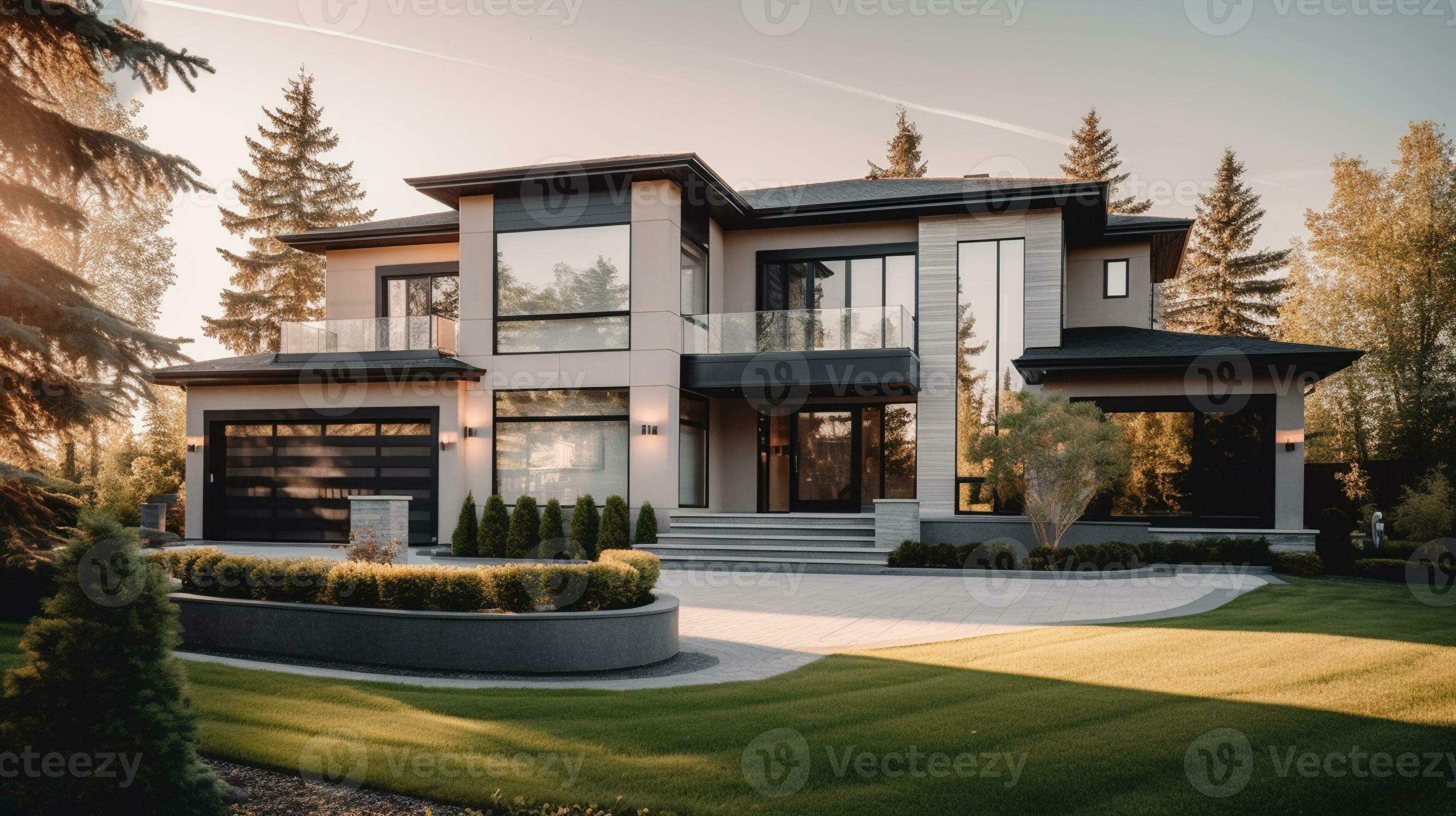
In conclusion, the world of homes mobile homes is far more dynamic and sophisticated than often perceived. From their foundational differences with traditional homes to their innovative designs and evolving community structures, manufactured housing offers a compelling and accessible path to homeownership. The financial considerations, while unique, are manageable with proper due diligence, and the lifestyle benefits cater to a wide array of individuals and families.
As the industry continues to innovate, manufactured homes are poised to play an even more significant role in addressing housing needs and providing quality living environments for years to come.
Question & Answer Hub
What is the primary difference in construction between a site-built home and a mobile home?
Site-built homes are constructed on-site, piece by piece, subject to local building codes. Mobile homes (now more commonly referred to as manufactured homes) are built in a factory in sections and then transported to the home site, where they are assembled and often placed on a permanent foundation, adhering to federal HUD code.
Can mobile homes be financed with a traditional mortgage?
Financing for mobile homes can be more complex than for site-built homes. While some manufactured homes permanently affixed to land can qualify for traditional mortgages, others, especially those not on owned land, may require specialized loans like chattel loans or personal property loans, which can have different interest rates and terms.
What is lot rent in a mobile home park?
Lot rent is a monthly fee paid by a resident to the owner of a mobile home park for the right to place their manufactured home on a specific lot within the park. This fee typically covers the use of the land, access to utilities (though utility costs are usually separate), and park amenities.
Are modern manufactured homes energy efficient?
Yes, modern manufactured homes often incorporate advanced energy-efficient features, including superior insulation, high-performance windows, energy-efficient appliances, and often meet or exceed standards for energy efficiency found in site-built homes, leading to lower utility costs.
What is the typical lifespan of a manufactured home?
With proper maintenance and care, a manufactured home can last as long as a traditional site-built home, often 50 to 70 years or even longer. Their durability is comparable when they are placed on a permanent foundation and well-maintained.